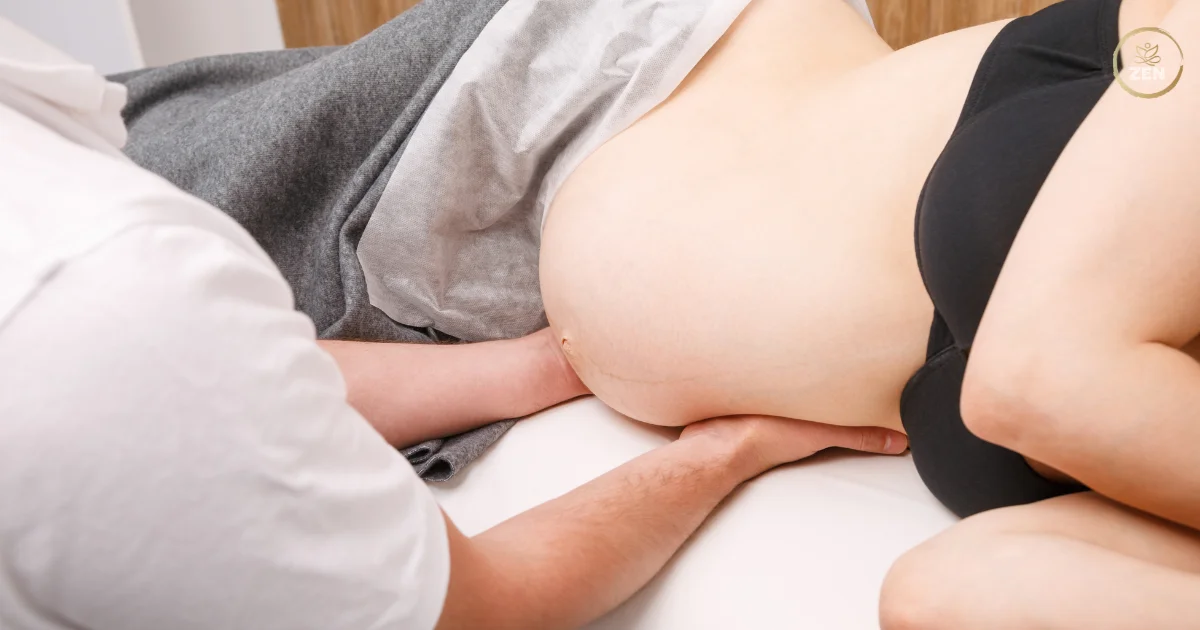
A prenatal massage is adapted to your changing body, so the session is different from a regular massage. Before the massage starts, your therapist may ask about how far along you are, any areas causing discomfort, and anything that could affect the session. You are then positioned comfortably, usually on your side with pillows or cushions for support.
During the massage, the therapist uses gentle to moderate pressure and pregnancy-appropriate techniques rather than deep pressure. You can also ask for adjustments if a position or pressure does not feel comfortable. Here is what you can expect before, during, and after a prenatal massage.
What Is a Prenatal Massage?
Prenatal massage is a type of massage adapted for people who are pregnant. The therapist changes the positioning, pressure, and techniques used during the session to make them more suitable for pregnancy.
Unlike a regular massage, the focus is on keeping you comfortable while working on areas that may feel tense or sore, such as the back, shoulders, hips, or legs. The therapist may also use cushions or bolsters to support your body as your pregnancy progresses.
Because every pregnancy is different, the session should be adjusted to your comfort and individual circumstances rather than following the same routine for everyone.
What Happens Before a Prenatal Massage?

Before the massage begins, your therapist should take a moment to understand how you are feeling and whether there is anything that needs to be considered during the session. You may be asked how far along you are, which areas feel uncomfortable, and whether you have any health concerns or instructions from your healthcare provider.
You can also tell your therapist how much pressure feels comfortable and if there are any areas you do not want massaged. Let them know about any recent injuries, pregnancy complications, or positions that feel uncomfortable.
If you have a high-risk pregnancy or have been advised to avoid massage, check with your obstetrician or healthcare provider before booking. Pregnancy massage should not replace your regular prenatal medical care.
How Are You Positioned During a Prenatal Massage?
Your position during a prenatal massage is adjusted to keep you comfortable and avoid unnecessary pressure on your abdomen. Side-lying is commonly used, with pillows or bolsters placed between or under areas of the body for support.
Your therapist may adjust the position during the session depending on how far along you are and which areas are being massaged. You should never feel that you have to stay in a position that causes discomfort.
If you feel pressure, dizziness, pain, or simply need to change position, let your therapist know. A prenatal massage should be adapted to you rather than forcing you to follow a fixed position throughout the session.
What Happens During a Prenatal Massage?

Once you are comfortably positioned, the therapist begins with gentle, controlled movements rather than the firm pressure used in a deep tissue massage. The focus may include areas such as the shoulders, upper and lower back, hips, arms, or legs, depending on your comfort and what has been discussed beforehand.
The therapist may use slower strokes and light to moderate pressure to work through areas of muscle tension. Pressure can be adjusted throughout the session, so you should let the therapist know if anything feels too strong, uncomfortable, or painful.
The session is not a fixed routine. Your pregnancy stage, comfort, and individual needs can all affect which areas are treated and how the massage is performed.
How Much Pressure Is Used During a Prenatal Massage?
Prenatal massage generally uses lighter to moderate pressure rather than the firm pressure often used in deep tissue massage. The pressure should feel comfortable and should not cause pain or leave you feeling uncomfortable during the session.
Your therapist can adjust the pressure based on your pregnancy stage, the area being worked on, and how your body feels that day. If any movement or pressure feels too strong, let your therapist know so it can be changed.
What Happens After a Prenatal Massage?
Once the massage is finished, you can take your time getting up and changing. Your therapist may also check how you are feeling before leaving.
You may feel relaxed or notice that some areas feel less tense after the session. If you experience pain, dizziness, unusual discomfort, or anything that concerns you during or after the massage, stop the session and seek appropriate medical advice.
It is also a good idea to tell your therapist how you felt during the session. This can help them adjust the positioning, pressure, or areas treated in a future prenatal massage.
Is Prenatal Massage Safe During Pregnancy?
Prenatal massage can be suitable during a healthy pregnancy when it is done by a therapist who knows how to work with pregnant clients. Since every pregnancy is different, the massage should be adjusted to your needs and comfort.
If you have a high-risk pregnancy, any pregnancy complications, or your doctor has advised you to avoid massage, talk to your doctor or obstetrician before booking. It is also important to let your therapist know about any health concerns or advice you have received from your healthcare provider.
Prenatal massage is a complementary service and does not replace regular prenatal care.
Prenatal Massage at Home in Dubai and Abu Dhabi
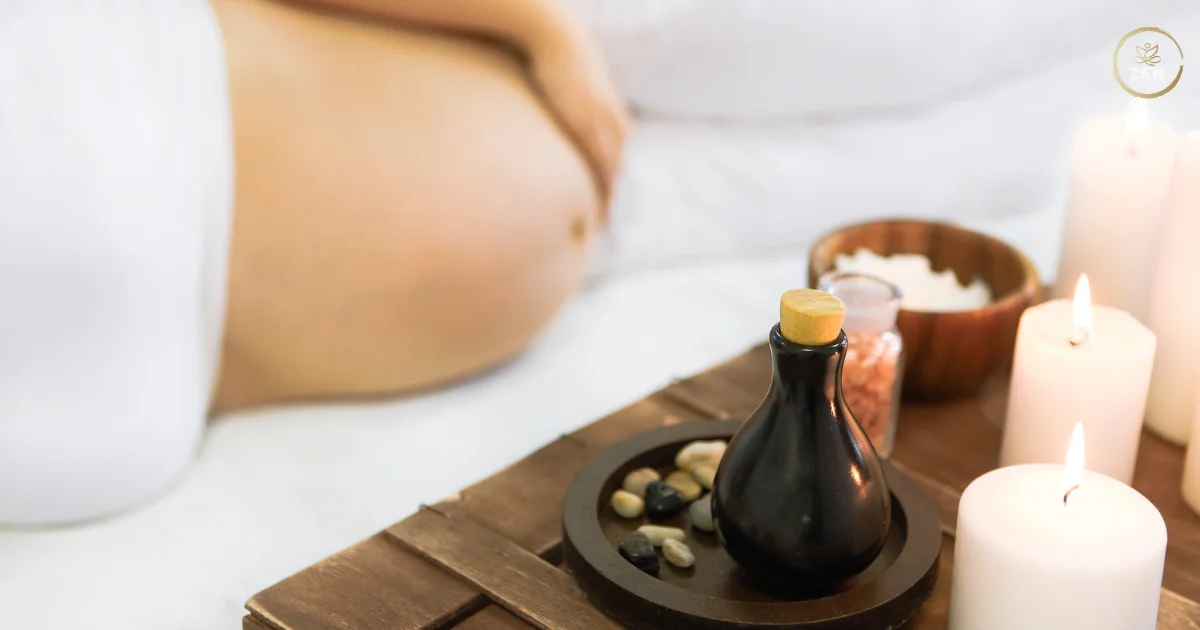
If travelling to a spa becomes uncomfortable during pregnancy, a prenatal massage at home can make the session easier to manage. With Zen at Home, the therapist comes to your home in Dubai or Abu Dhabi with the massage table and supplies needed for the session.
You can settle into a comfortable space without having to travel before or after the massage. The therapist can also adjust the setup, positioning, and pressure based on your comfort throughout the session.
Book a Prenatal Massage at Home
Knowing what happens during a prenatal massage can make your first session feel more comfortable and predictable. From the initial consultation and supported positioning to gentle pressure and adjustments during the massage, the session should be adapted to your pregnancy and comfort.
If you are considering a prenatal massage at home in Dubai or Abu Dhabi, Zen at Home provides pregnancy massage services at your home. If you have any pregnancy-related health concerns, speak with your healthcare provider before booking.
FAQs
What should I expect during a prenatal massage?
Your therapist will first ask about your pregnancy and any areas that are bothering you. You will then be made comfortable with pillows or cushions before the massage begins. The therapist uses gentle techniques and adjusts the pressure according to how you feel.
What position do you use during a prenatal massage?
You will usually lie on your side with pillows or cushions supporting your body. Your therapist can change your position during the massage if you feel uncomfortable or need more support.
How much pressure is used during prenatal massage?
Prenatal massage generally uses light to moderate pressure rather than firm, deep pressure. You should not have to tolerate painful or uncomfortable pressure during the session.
Can I have a prenatal massage at home in Dubai or Abu Dhabi?
Yes. A prenatal massage can be provided at home in Dubai or Abu Dhabi, allowing you to have the session in a familiar space without travelling to a spa.