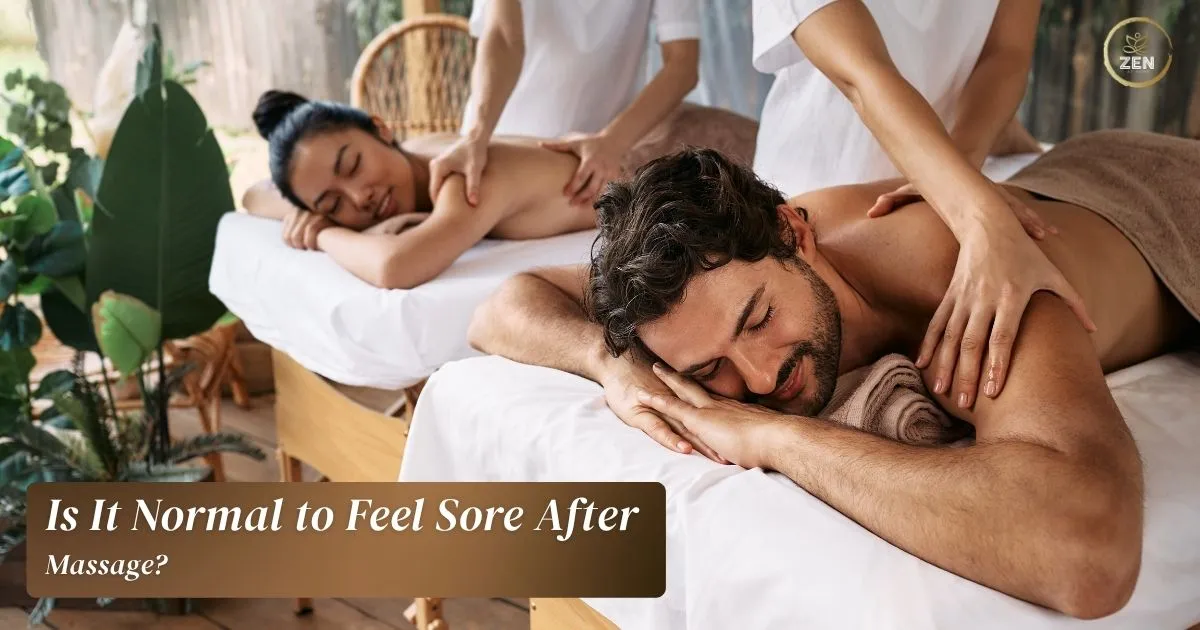
Feeling sore after a massage can be unexpected, especially when you hoped to leave feeling relaxed. Mild tenderness can occur after a session, particularly when firmer pressure is used. However, soreness after massage varies from person to person, and discomfort does not mean the treatment was more effective. How severe the pain is, whether it improves, and whether other symptoms appear can help you decide what to do next.
Is It Normal to Feel Sore After a Massage?
Some people notice tenderness in the muscles treated during a massage, either later that day or the following morning. Others feel no soreness at all. The response depends on factors such as the pressure used, the areas treated, and individual sensitivity.
Mild tenderness that gradually improves is generally less concerning than pain that intensifies or interferes with everyday activities. You should not have to endure significant pain during a session. If the pressure feels uncomfortable, tell your therapist so they can adjust it.
Severe or unusual symptoms should not automatically be attributed to massage. Understanding what might cause the discomfort can help you decide how to respond.
What Causes Soreness After a Massage?
The pressure used during treatment is one possible reason for muscle tenderness. Firm, sustained pressure may leave sensitive areas feeling uncomfortable, particularly if they were already painful before the session.
The technique also matters. Deep tissue massage uses more focused pressure than many relaxation-focused treatments, although soreness is not inevitable with either approach. Your personal sensitivity, existing injuries, and certain health conditions may also influence how you respond.
Not every ache that develops after a massage is necessarily caused by the treatment itself. New or unusual pain deserves attention, especially if it occurs alongside other symptoms.
How Long Does Soreness After a Massage Last?
Mild soreness is often temporary, but there is no single timeline that applies to everyone. You might notice tenderness later that day or the following morning, and it should generally begin to ease rather than become more intense.
It is also worth distinguishing post-massage tenderness from delayed-onset muscle soreness (DOMS), which develops after unfamiliar or strenuous physical activity. Although the symptoms can feel similar, they have different potential causes.
Pay attention to how your symptoms change rather than relying on a fixed recovery period. If pain worsens, limits your movement, or fails to improve, seek medical advice instead of assuming it is a routine response.
When Is Post-Massage Soreness a Reason for Concern?
Mild tenderness that settles is different from severe pain or symptoms that continue to worsen. Watch for warning signs such as:
- Severe or worsening pain: Discomfort that intensifies instead of easing.
- Significant swelling or bruising: Particularly when accompanied by substantial tenderness.
- New numbness or weakness: Symptoms that require medical assessment.
- Difficulty moving normally: Pain that interferes with walking or everyday activities.
Seek prompt medical assessment if these symptoms develop. Severe muscle pain accompanied by marked weakness or dark, tea-colored urine requires emergency medical attention.
If mild soreness persists without improvement, consult a healthcare professional. People with bleeding disorders, a history of blood clots, or certain other medical conditions should also seek individual advice about massage safety.
For more information about potential risks, consult the National Center for Complementary and Integrative Health’s massage therapy guidance.

What Can You Do to Ease Mild Soreness After a Massage?
If the tenderness is mild and improving, a few simple measures may help:
- Take a break from strenuous activity. Avoid exercises or movements that aggravate the affected area.
- Keep moving comfortably. Gentle everyday movement is reasonable if it does not increase your discomfort.
- Rest when needed. Give yourself time to recover if the treated muscles feel tender.
- Drink water as usual. Staying hydrated is sensible, but drinking extra water has not been established as a way to speed up recovery from massage soreness.
- Avoid additional pressure. Skip aggressive stretching or deep self-massage if it makes the area more painful.
These measures are intended for mild, improving tenderness, not severe or unexplained pain. If symptoms worsen or interfere with normal activities, seek medical advice rather than relying on home care alone.
How Can You Reduce the Chance of Soreness During Your Next Massage?
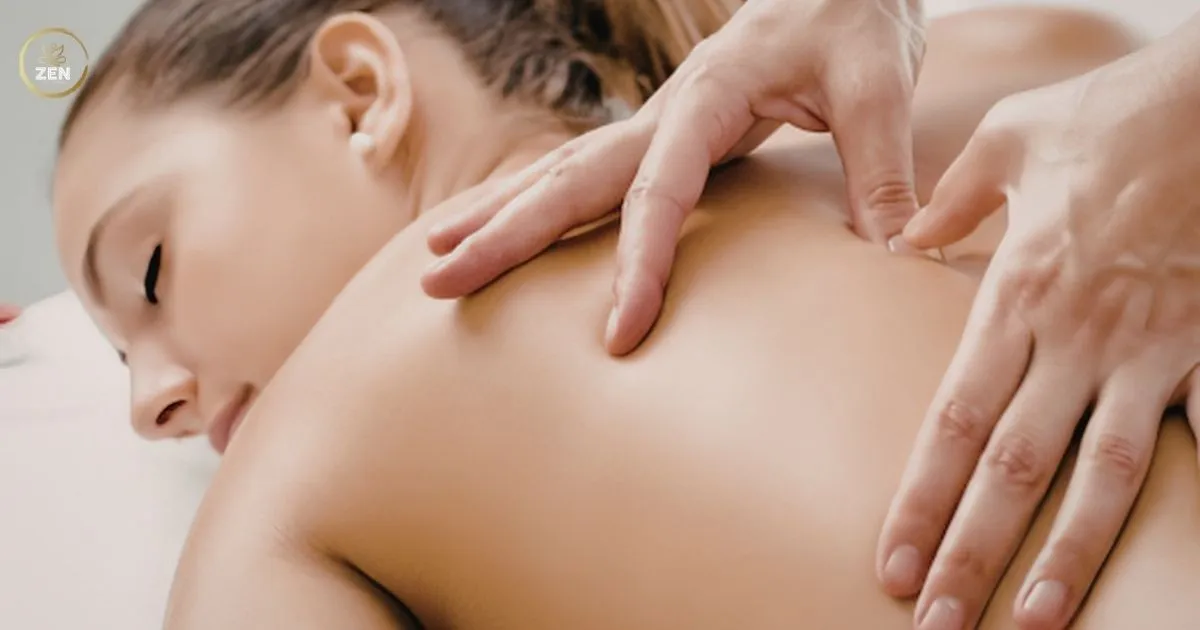
Before your next session, tell your therapist about existing pain, recent injuries, sensitive areas, or relevant medical conditions. Explain your pressure preferences instead of assuming that firmer pressure will produce better results.
During the massage, speak up if a technique feels uncomfortable or painful. Your therapist can adjust the pressure or avoid a particular area. If you have experienced significant soreness after a previous session, mention that too.
If you have an existing medical condition, a recent injury, unexplained pain, or concerns about whether massage is suitable for you, consult your doctor before booking a session. A healthcare professional can advise you on any precautions you may need to take.
At Zen at Home, we encourage clients to communicate their pressure preferences and relevant health concerns before and during their home massage session. If you are unsure whether massage is appropriate for you, seek medical advice before proceeding. Remember, a massage does not need to leave you sore to be worthwhile.
Frequently Asked Questions
Is it normal to feel sore the day after a massage?
Mild tenderness may appear later that day or the following morning, particularly after firmer pressure. It should generally improve rather than worsen.
Does soreness mean the massage was effective?
No. Soreness is not a reliable measure of effectiveness, and a massage does not need to cause discomfort to be beneficial.
Should I get another massage if I am still sore?
Consider postponing further work on the affected area until the tenderness settles. Seek medical advice first if the pain is significant or worsening.
When should I see a doctor after a massage?
Seek medical assessment for severe or worsening pain, significant swelling, new numbness or weakness, or difficulty moving normally. Severe muscle pain with marked weakness or dark urine requires emergency medical attention.