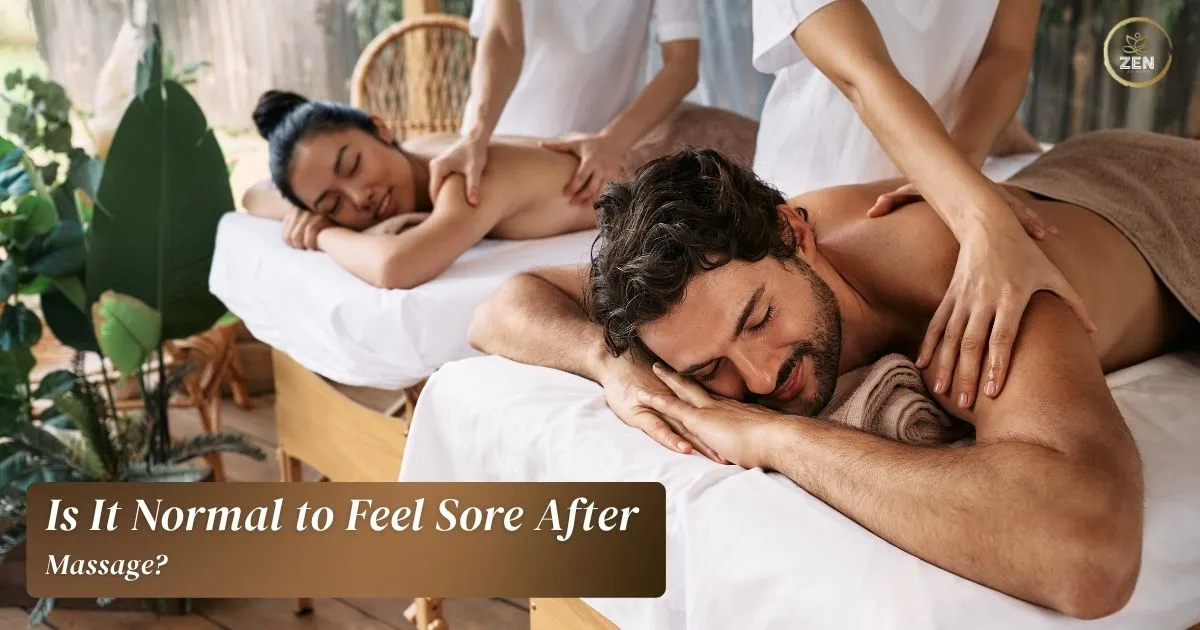

A deep tissue massage can leave you feeling relaxed, lighter, or a little tender afterward. The experience isn’t the same for everyone, and it can depend on how much pressure was used, which muscles were treated, and how tense they were before the session.
For some people, the effects are noticeable right away. Others may feel some soreness later in the day before the treated muscles settle down. If you’re planning a deep tissue massage in Dubai or Abu Dhabi, knowing what to expect afterward can help you tell the difference between normal post-massage sensations and signs that need more attention.
So, what actually happens to your body after a deep tissue massage? Let’s look at the immediate effects, possible soreness, recovery, and what you can do after your session.
What Happens Immediately After a Deep Tissue Massage?
Right after a deep tissue massage, you may notice that the treated muscles feel looser or less tense. Some people also feel calm or sleepy, especially after spending time relaxing during the session.
You may also notice some tenderness in areas where the therapist used firmer pressure. This doesn’t necessarily mean anything is wrong. Your response can depend on the muscles treated, the pressure used, and how your body felt before the massage.
Give yourself a little time to notice how you feel rather than expecting a specific result. The immediate sensation can change over the next several hours as your body settles after the session.
Why Can You Feel Sore After a Deep Tissue Massage?
After a deep tissue massage, there may be some pain, particularly if the tight or sensitive muscles were subjected to harder pressure. You may notice tenderness when moving or touching the area later that day or the following day.
The amount of soreness can vary from person to person. It may depend on how tense the muscles were, how much pressure was used, and how your body responds to the treatment. Soreness also doesn’t mean that a deeper or more painful massage was a better one.
Massage is usually safe, but very firm pressure can sometimes cause problems. According to the National Center for Complementary and Integrative Health, serious side effects are rare but can happen after vigorous massage.
If the discomfort feels severe, keeps getting worse, or seems different from ordinary muscle tenderness, don’t simply assume it’s part of the massage.
What Happens to Muscle Tension After Deep Tissue Massage?
If you booked a Deep tissue service because certain muscles felt tight, you may notice that those areas feel more relaxed afterward. The therapist works with controlled pressure across the muscles, which can leave movement feeling more comfortable for some people.
You might notice a difference when turning your neck, moving your shoulders, bending, or simply sitting after the session. However, the effect isn’t necessarily permanent. If your muscle tension is linked to long hours at a desk, repetitive activity, exercise, or other habits, it can return.
For this reason, a deep tissue massage can be part of your self-care routine, but it shouldn’t be viewed as a way to fix the underlying cause of ongoing pain or tension.

How Long Do the Effects of a Deep Tissue Massage Last?
There isn’t one set amount of time that the effects of a deep tissue massage will last. You may feel relaxed and less tense for the rest of the day, while any tenderness can take some time to settle.
How long you notice the effects can depend on the areas treated, the pressure used, your usual activity level, and what was causing the muscle tension in the first place. If you spend long hours sitting, train regularly, or repeat the same movements throughout the day, tightness may return sooner.
The important thing is not to judge the massage by how long the feeling lasts. Pay attention to how your body responds and give yourself enough time to recover before putting extra strain on areas that feel tender.
What Should You Do After a Deep Tissue Massage?
You don’t need a complicated routine after a deep tissue massage. Give your body some time to settle and avoid putting extra strain on any area that feels tender.
A few things can make you feel more comfortable after the massage:
- Drink water as you normally would.
- Take some rest if you’re feeling tired or sore.
- If you feel up to it, a short walk or some light movement can be a good option.
- Avoid intense exercise if the muscles treated during the massage are noticeably tender.
- Pay attention to how you feel and let your body guide your activity level.
If you’re regularly active, you may also want to explore how sports massage fits into your recovery routine, particularly if your massage needs are related to training or exercise.
Can You Exercise After a Deep Tissue Massage?
It depends on how your body feels after the session. If your muscles feel comfortable, normal daily movement is usually fine. However, jumping straight into a hard workout when the treated areas are already tender may not be the best idea.
If you have a demanding training session planned, consider giving the muscles that were worked a little time before putting them under heavy load. A gentle walk or easy movement may be a better option if you feel sore.
Deep tissue massage is also not the same as sports recovery treatment. Research on sports massage has found some evidence of reduced muscle soreness after exercise, but it hasn’t shown that massage directly improves athletic performance.
When Is Post-Massage Soreness Not Normal?
Mild tenderness can happen after a firm massage, but you shouldn’t feel that you have to put up with severe or worsening pain simply because you had a deep tissue treatment.
Pay attention if you experience unusual symptoms such as significant swelling, marked weakness, numbness, or difficulty moving normally. Pain that becomes worse rather than settling is also a reason to seek medical advice.
A massage should feel comfortable, even when firm pressure is used. If an area feels too painful during the session, let your therapist know so they can reduce the pressure or move to another area.
If you’re concerned about a symptom after your massage, it’s better to speak with a healthcare professional rather than assuming it is a normal part of recovery.
When Should You Avoid Deep Tissue Massage?
Deep tissue massage isn’t suitable for everyone, particularly when there is an existing health concern that could make firm pressure unsafe. If you have recently had surgery, have an open wound, a bleeding disorder, or take blood-thinning medication, speak with your healthcare provider before booking a session.
You should also tell your therapist about any medical conditions, injuries, or areas that are especially sensitive before the massage begins. This allows them to decide whether the treatment needs to be changed or avoided.
If you’re dealing with ongoing or unexplained pain, don’t use massage as a substitute for finding out what’s causing it. Getting appropriate medical advice first can help you choose a safer approach.
Deep Tissue Massage at Home in Dubai and Abu Dhabi
If you prefer to have your massage at home, Zen at Home offers deep tissue massage in Dubai and Abu Dhabi. You can discuss the areas you want to focus on and your preferred pressure before the session begins.
FAQs
Is it normal to feel sore after a deep tissue massage?
Yes, when applying firm pressure during a massage, slight soreness may occur. You shouldn’t disregard acute or intensifying discomfort, though.
What is the duration of pain following a deep tissue massage?
It differs from individual to person. A little soreness should go away, but if it doesn’t go away or gets worse, you might want to consult a doctor.
Should I rest after a deep tissue massage?
You don’t necessarily need complete rest. Gentle movement is fine, but avoid intense activity if the treated muscles feel sore.
Can I exercise after a deep tissue massage?
You can usually continue normal movement, but a hard workout may be uncomfortable if the muscles are tender. Give your body time to recover.
What should I do after a deep tissue massage?
Keep your normal fluid intake, take it easy if you’re tired, and avoid putting heavy strain on muscles that feel tender.