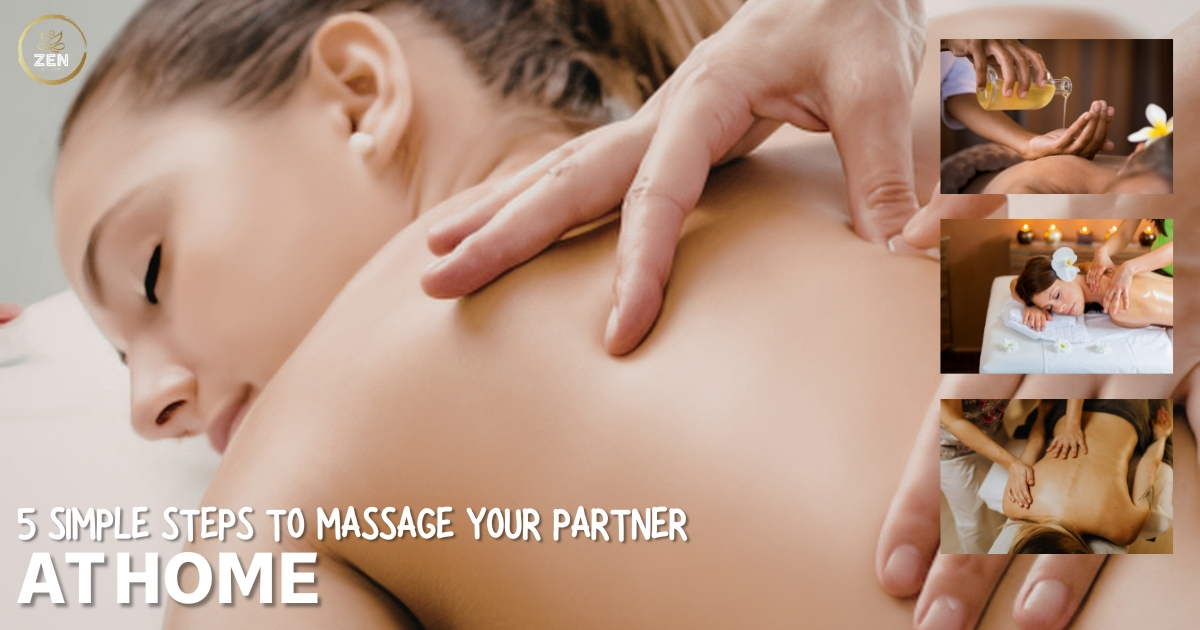
Giving your partner a massage at home can be a thoughtful way to spend time together and help them relax after a long day. You don’t need professional equipment or massage training to get started. A few simple techniques, a comfortable space, and attention to your partner’s preferences are enough for a gentle massage.
In this guide, you’ll learn five simple steps to massage your partner at home, from preparing the space to choosing comfortable pressure and knowing when to stop.
Step 1: Prepare a Comfortable Space
Choose a quiet, warm room where your partner can lie comfortably without interruptions. Use a supportive bed or padded surface, and place a pillow under their head if needed. Keep a clean towel nearby and have a massage oil or lotion ready if your partner prefers it.
Before you begin, wash your hands and ask whether they have any skin sensitivities or areas they would rather you avoid. Agree on comfortable pressure and check that they feel at ease throughout the massage. If using oil, apply a small amount first and make sure it feels comfortable on the skin.
Step 2: Begin With Gentle Strokes
Start with your partner’s shoulders or upper back, using the flat parts of your palms to make slow, gentle strokes. Keep your movements steady rather than pressing hard or moving too quickly. This gives your partner time to get comfortable with the touch and lets you understand what pressure feels right for them.
Ask whether the pressure feels comfortable before continuing. If your partner wants firmer pressure, increase it gradually rather than pushing suddenly. Avoid digging your thumbs into tight muscles or trying to force a knot to release. A partner massage at home should feel comfortable, not painful, so adjust your technique based on their feedback.
Step 3: Massage the Shoulders and Upper Back
Once your partner feels comfortable, focus on the fleshy muscles around the shoulders and upper back. Use your palms to make slow, circular movements, working on one side at a time. Keep your hands relaxed and apply only enough pressure to feel comfortable for your partner.
Avoid pressing directly on the spine, shoulder blades, or other bony areas. Be especially gentle around the neck, and do not apply pressure to the front or sides of it. If you come across a tight spot, use light strokes rather than pushing hard. Check in with your partner regularly and stop if they experience pain, tingling, or numbness.
Step 4: Give the Hands, Arms, or Feet a Gentle Massage
If your partner enjoys the back massage, you can move to their hands, arms, or feet. For the hands, use your thumb to make small, gentle circles across the palm without pressing too hard. For the arms, glide your palms lightly along the forearms, avoiding pressure on the joints.
If you massage their feet, use slow strokes across the sole and around the heel, adjusting the pressure to their preference. Ask before moving to another area, and avoid any spot that feels painful, swollen, or sensitive. There is no need to cover every body part; focus on what your partner finds comfortable.
Step 5: Finish Gently and Check How Your Partner Feels
Finish the massage with a few slow, light strokes to help your partner ease out of the session. Let them know you’re nearly finished, then give them a moment to rest before sitting up or getting off the massage surface.
Ask which techniques felt best and whether the pressure was comfortable. Their feedback can help you make the next massage more enjoyable. If they experience pain, tingling, numbness, dizziness, or any unusual symptoms, stop rather than continuing through the discomfort. Remember, a good massage at home is about listening to your partner and respecting their boundaries, not applying more pressure or making the session longer.
When Should You Avoid Giving a Massage at Home?
A gentle massage is not suitable for every situation. Avoid massaging over open wounds, skin infections, unexplained swelling, bruises, or areas affected by a recent injury. Never use pressure to work through sharp, worsening, or unexplained pain.
If your partner has a bleeding disorder, a history of blood clots, a significant medical condition, or concerns about whether massage is safe for them, they should seek advice from a qualified healthcare professional first. Stop immediately if they experience pain, numbness, tingling, or dizziness. When in doubt, prioritize their safety rather than continuing the massage therapy.
Prefer a Professional Couples Massage at Home?
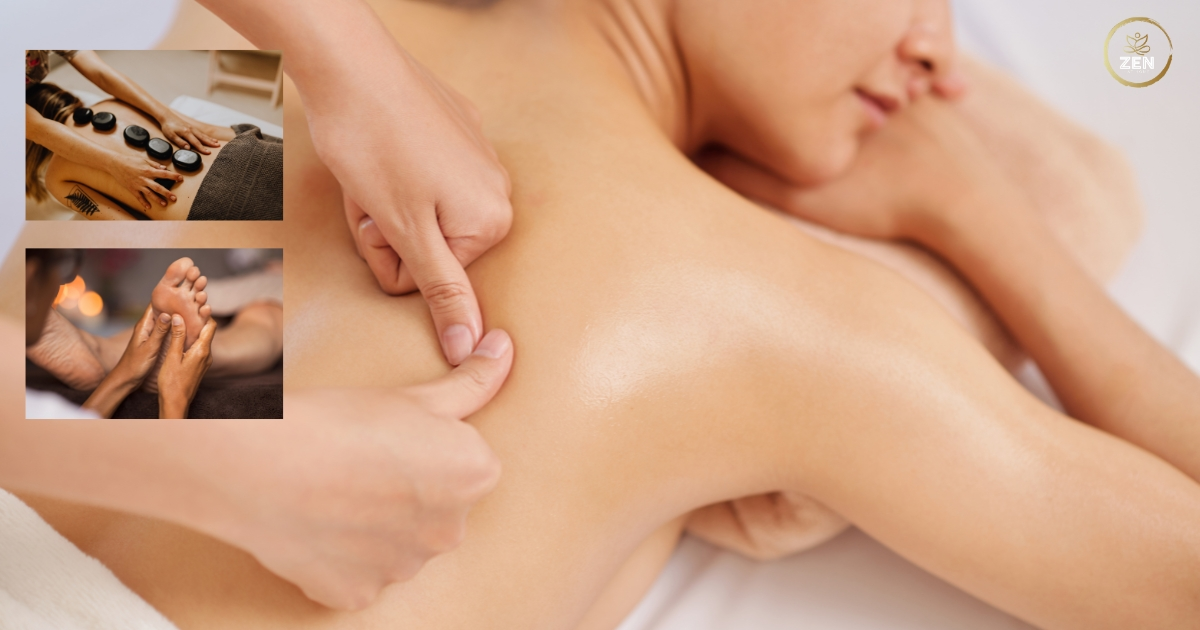
If you’d rather leave the techniques to trained professionals, Zen at Home offers couples massage at home in Dubai and Abu Dhabi. Two female therapists can provide simultaneous treatments, so you and your partner can enjoy your sessions together without travelling to a spa.
Explore our couples massage service to know more and arrange a session at home.
Frequently Asked Questions
How long should you massage your partner at home?
For a simple massage, start with 10–15 minutes and adjust the duration based on your partner’s comfort and preferences. Stop sooner if they feel discomfort.
What oil is best for a partner massage?
A basic massage oil or unscented lotion can help your hands glide over the skin. Check the ingredients for sensitivities and test a small amount before applying more. Avoid using products that irritate the skin.
Should a massage hurt to be effective?
No. A home massage should not cause sharp or worsening pain. Use gentle pressure, ask for feedback, and stop if your partner experiences pain, tingling, or numbness.