
During pregnancy, some massage techniques and positions need extra care. If you’re considering a pregnancy massage at home in Dubai or Abu Dhabi, it’s important to know where pressure may need to be adjusted and when a health concern calls for medical advice. Not every commonly mentioned “pressure point” is proven to trigger labour, so it’s worth separating established precautions from claims that lack strong evidence. A therapist trained in prenatal massage can adapt the session to your comfort and stage of pregnancy.
Which Areas Need Extra Caution During Pregnancy Massage?
During pregnancy, massage pressure and technique may need to change depending on the area being treated and your individual health. Rather than treating every body part as off-limits, it’s more useful to understand which situations call for extra care.
Abdomen
Avoid deep or forceful pressure on the abdomen. If you want this area massaged, discuss it with a prenatal massage therapist first and follow your healthcare provider’s advice, particularly if you have pregnancy complications.
Legs

Gentle leg massage is not automatically prohibited during pregnancy. However, pregnancy increases the risk of blood clots. If you develop new pain, swelling, warmth or redness in one leg, do not massage it; seek urgent medical assessment instead.
Areas With Pain or Unusual Swelling
Don’t use massage to treat unexplained pain, significant swelling or an area that feels unusually tender. These symptoms may need medical assessment before any massage is considered.
The key is to adapt the technique to your circumstances rather than assume that every area carries the same risk.
Are Pregnancy Massage Pressure Points Dangerous?
You may have heard that pressing certain points around the wrists, ankles or feet can trigger labour. However, there isn’t strong evidence to support treating these areas as universally forbidden during pregnancy massage.
That doesn’t mean every technique is suitable for every pregnancy. Avoid forceful pressure or techniques intended to induce labour, and let your prenatal massage therapist know how far along you are. If your pregnancy is high-risk or you have concerns about particular techniques, ask your healthcare provider before booking a session.
Which Position Is Suitable for Pregnancy Massage?
Side-lying is commonly recommended for pregnancy massage, with pillows supporting your belly, back and legs for comfort. Your therapist can adjust your position throughout the session if you feel uncomfortable.
As pregnancy progresses, lying flat on your back for an extended period may cause discomfort or affect blood circulation in some people. Lying face-down may also become impractical as your belly grows. Your therapist should adapt the setup to your stage of pregnancy rather than rely on one position for every client.
If you feel dizzy, breathless, nauseated or unwell during a massage, ask the therapist to stop and seek appropriate medical advice.
When Should You Speak to Your Doctor Before a Pregnancy Massage?
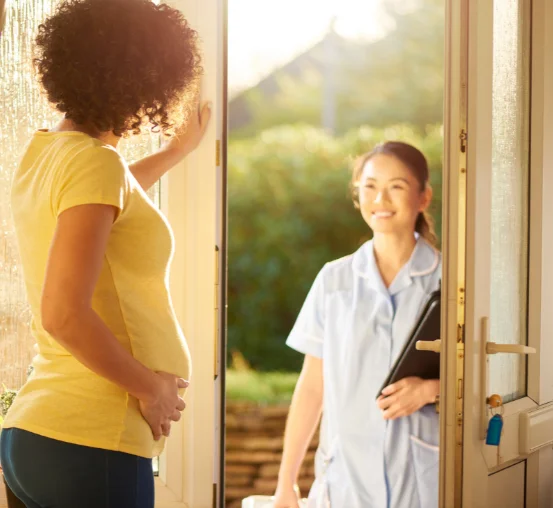
Check with your healthcare provider before booking a massage if your pregnancy is considered high-risk, you have pregnancy-related complications, or you’re unsure whether massage is suitable for you. Your provider can advise you based on your medical history and stage of pregnancy.
Don’t use massage to manage unexplained pain, sudden or significant swelling, or symptoms that may need urgent care. One-sided leg pain or swelling, chest pain, or sudden difficulty breathing requires prompt medical attention rather than massage.
When booking a prenatal massage in Dubai or Abu Dhabi, tell your therapist how many weeks pregnant you are and share any relevant restrictions your healthcare provider has given you.
Book a Pregnancy Massage at Home
Knowing which areas need extra care can help you make informed choices about pregnancy massage. The right approach depends on your comfort, stage of pregnancy and individual health needs, so always discuss any concerns before your session.
Zen at Home offers pregnancy massage at home in Abu Dhabi, with female therapists who can adapt the session to your needs. If you’re considering a booking, speak with your healthcare provider first if you have any concerns about whether massage is suitable for you.

FAQs
Can you massage your stomach while pregnant?
Avoid deep or forceful abdominal pressure. Ask your healthcare provider and prenatal massage therapist whether gentle abdominal massage is appropriate for your circumstances.
Can you massage your legs during pregnancy?
Gentle leg massage is not automatically off-limits. However, never massage a leg with new pain, swelling, warmth or redness. Seek urgent medical assessment, as these can be signs of a blood clot.
Can pressure points cause labour during pregnancy?
Evidence does not establish that pressing specific wrist or ankle points reliably triggers labour. Avoid techniques intended to induce labour unless guided by an appropriate healthcare professional.
Is pregnancy massage safe at home?
It may be suitable for some pregnant people when the therapist is trained in prenatal massage and adapts the pressure and position. Check with your healthcare provider first, especially if your pregnancy is high-risk.