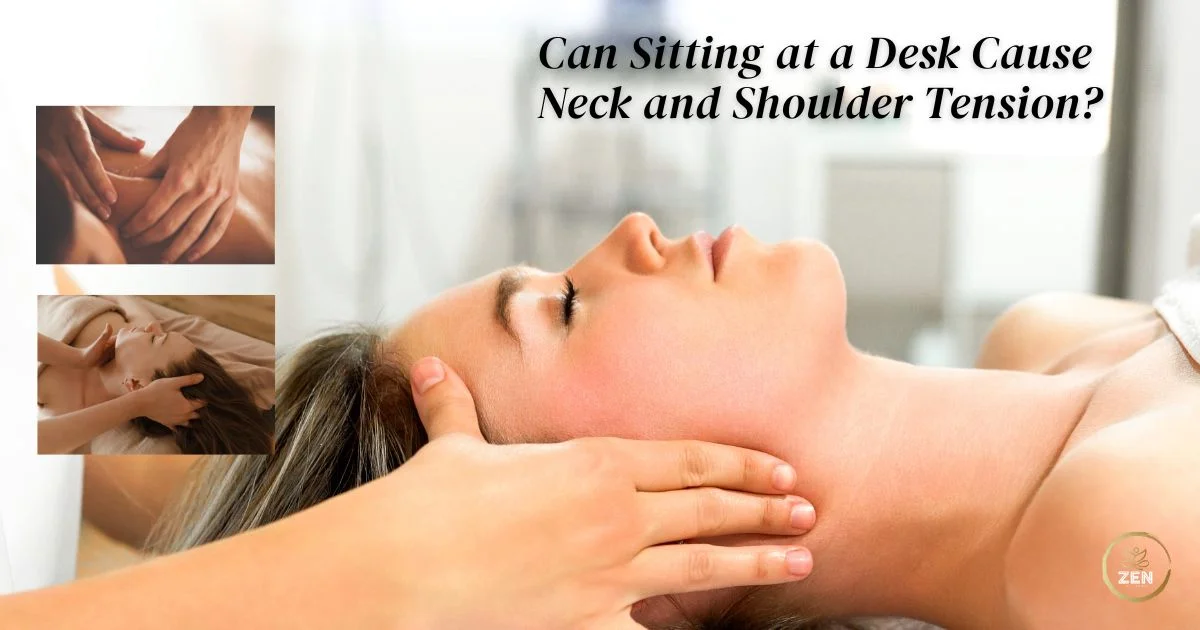

Back pain can make simple parts of the day feel uncomfortable, especially when your back feels tight after sitting for long hours, working, or doing physical activity. A hot oil massage combines warm massage oil with hands-on massage techniques and is often chosen by people who enjoy a soothing, relaxing treatment.
But can it actually help with back pain? It can. Massage may ease some back discomfort, especially when tight or tired muscles are part of the problem. However, it won’t work for every type of back pain, and ongoing or severe pain should be checked by a doctor.
In this guide, we’ll look at what hot oil massage involves, what you can expect, and when it may or may not be suitable.
What Is Hot Oil Massage?
Hot oil massage in Dubai combines massage techniques with comfortably warmed oil applied to the skin. The warmth can make the treatment feel soothing, while the therapist uses movements and pressure suited to the area being worked on.
For back discomfort, the therapist can work on your upper or lower back, shoulders, and nearby muscles. Before the massage, you can let them know where you feel uncomfortable and how much pressure you want.
The oil itself shouldn’t be presented as a treatment that penetrates deep into the muscles or cures back pain. The experience comes from the combination of warmth, massage, and the way the treatment feels on the body.
Can Hot Oil Massage Help With Back Pain?
Massage may provide short-term relief for some people with nonspecific back pain, particularly when muscle tension is involved. Research from the National Center for Complementary and Integrative Health suggests that massage may help some people with low-back pain, although the available evidence is limited. It isn’t a guaranteed solution or a replacement for medical care.
With hot oil massage, the warmth from the oil can add to the relaxing feel of the session. However, there isn’t enough evidence to say that warm oil itself makes massage more effective for back pain.
It’s preferable to consult a healthcare provider rather than depending solely on massage if your discomfort persists, gets worse, or interferes with your everyday activities.
How Can Hot Oil Massage Help With Muscle Tension?
When the back feels tight, massage can provide a calming sensation while the therapist works over the muscles with controlled pressure. The movements may help you feel less tense and more comfortable after the session.
The warm oil can make the massage feel nice and relaxing, especially if you prefer lighter pressure. If any area feels too sensitive, just let the therapist know so they can adjust the pressure.
The aim is to make the session comfortable rather than push through pain. If a particular movement or pressure doesn’t feel right, let your therapist know so it can be changed.
What Happens During a Hot Oil Massage for Back Pain?
Before the massage starts, you’ll have a chance to tell the therapist where you feel discomfort and how much pressure you prefer. The therapist can then focus on the areas that need attention.
The therapist applies warm oil to your back and starts with gentle strokes. If you want more pressure, they can make the movements firmer and spend a little more time on the spots that feel sore or tense.
You should be able to relax throughout the session and speak up if the pressure feels uncomfortable. A massage should not require you to tolerate sharp or severe pain.
Hot Oil Massage vs Deep Tissue Massage for Back Pain
Both treatments involve massage, but the experience can be quite different.
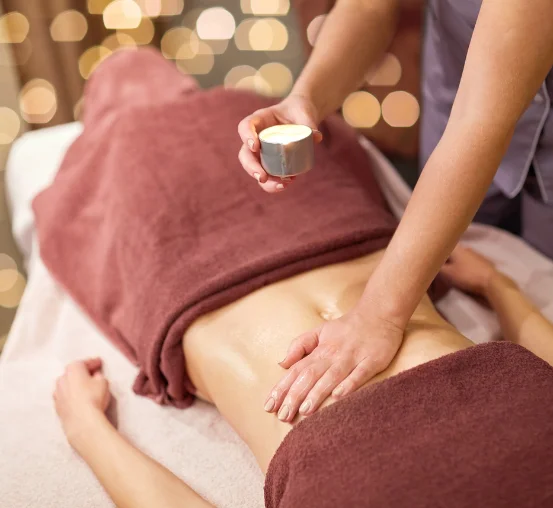
Hot oil massage uses warm oil and generally focuses on smooth, flowing movements. It can suit someone who wants a more relaxing treatment while still giving attention to areas of back tension.
Deep tissue massage uses firmer, more focused pressure on areas of muscle tightness. It may feel more intense, so it isn’t necessarily the better choice for everyone.
Before the session, talk to your therapist about your preferences and any areas of discomfort if you’re not sure which option is best for you.
When Should You Avoid Massage for Back Pain?
Massage isn’t appropriate for every type of back pain. Speak with a healthcare professional before booking a massage if your pain is severe, unexplained, getting worse, or follows a significant injury.
You should also seek medical attention if back pain occurs with symptoms such as unusual weakness or numbness, loss of bladder or bowel control, or a fever.
If you have had recent surgery or have an existing medical condition that affects your back, ask your healthcare provider whether massage is suitable. During the session, tell your therapist about any health concerns and stop if a movement causes sharp or severe pain.
Hot Oil Massage at Home in Dubai and Abu Dhabi
If you prefer not to travel to a spa, Zen at Home offers hot oil massage at home in Dubai and Abu Dhabi. A female therapist comes to your chosen location, making it easier to fit the session into your routine.
Before starting, you can discuss the areas you want to focus on, your preferred pressure, and anything you would like the therapist to avoid. This also gives you an opportunity to ask whether the treatment is suitable for your needs.

FAQs
Can hot oil massage help lower back pain?
It can help some people feel more comfortable, especially when tight muscles are causing the discomfort. But massage isn’t suitable for every type of lower back pain.
Is hot oil massage better than deep tissue massage?
Not really. They are simply different types of massage. Hot oil massage is usually gentler and more relaxing, while deep tissue massage uses stronger pressure. Your choice can depend on what feels comfortable for you.
How long does a hot oil massage take?
The length depends on the service you book. You can check the session duration when making your appointment.
Can I book hot oil massage at home in Dubai or Abu Dhabi?
Yes. Zen at Home provides home hot oil massage services in Dubai and Abu Dhabi, with sessions arranged at your chosen location.
When should I see a doctor for back pain?
Seek medical advice if your pain is severe, keeps getting worse, follows a significant injury, or occurs with symptoms such as numbness, weakness, fever, or bladder or bowel changes.