
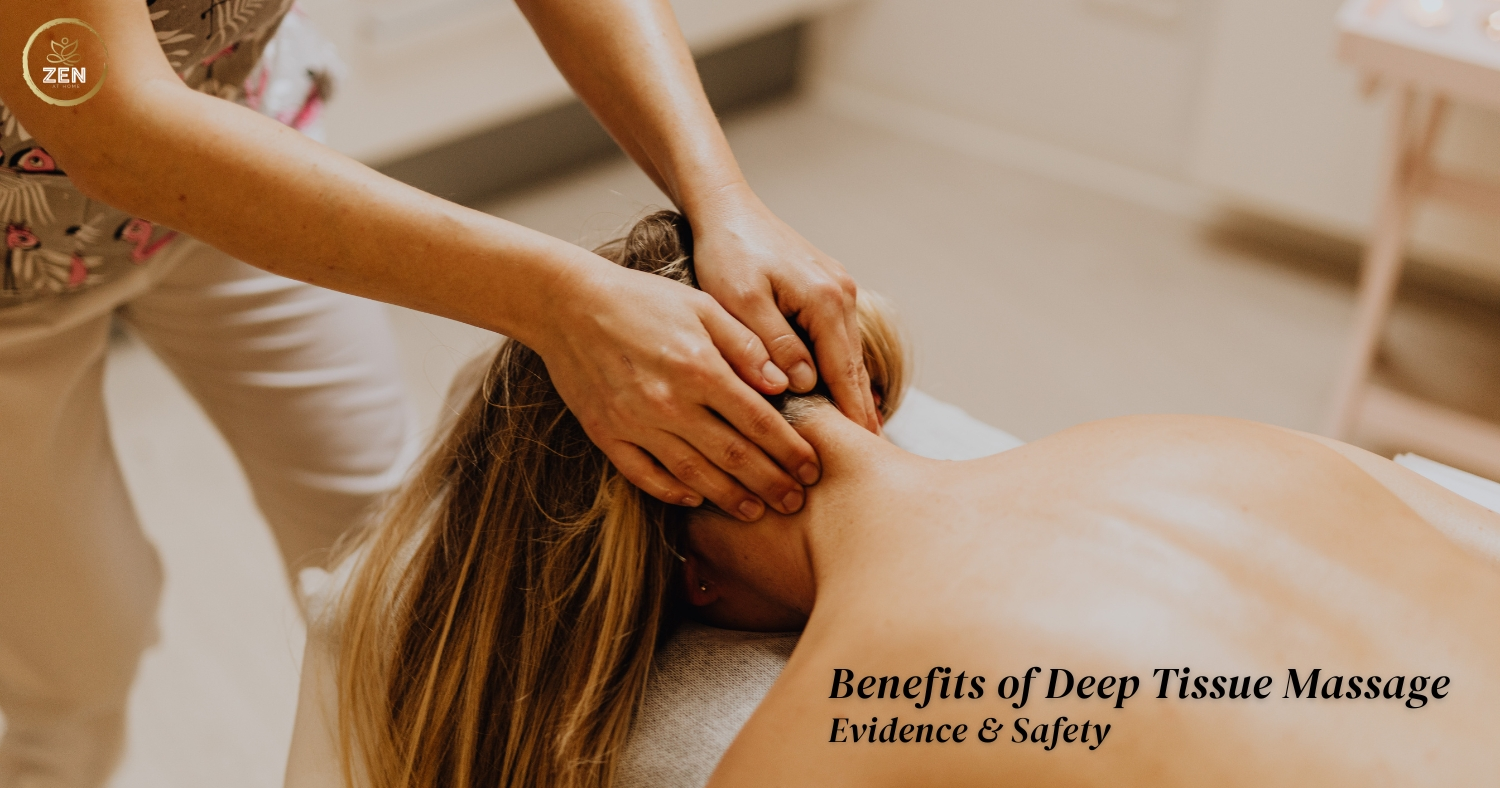
Deep tissue massage uses firm, focused pressure on deeper layers of muscle and connective tissue. People often choose it for persistent muscle tension or certain types of pain, but its benefits depend on the individual and the reason for seeking treatment. Research suggests massage may help with some painful conditions, although the strength of evidence varies. Understanding what deep tissue massage may help with, what remains uncertain, and who should take precautions can help you decide whether it is a suitable option.
What Is Deep Tissue Massage?
Deep tissue massage is a massage technique that uses slow strokes and focused, firm pressure on deeper layers of muscle and connective tissue. A session may concentrate on areas such as the back, neck, shoulders or legs, depending on the client’s needs.
Unlike a relaxation-focused Swedish massage, deep tissue massage often targets specific areas of muscle tension. However, deeper pressure does not automatically mean better results. The technique and pressure should suit the individual, and the massage should be adjusted if it becomes painful or uncomfortable.
5 Potential Benefits of Deep Tissue Massage
1. May Help Ease Muscle Tension
Muscle tension can develop after long periods of sitting, repetitive movements or physically demanding activities. Deep tissue massage focuses on specific areas of tightness using controlled pressure, which some people find helpful for temporary relief. The pressure should remain tolerable rather than painful, and the technique can be adjusted to suit individual needs.
2. May Provide Short-Term Relief From Certain Types of Pain
Research suggests massage therapy may help reduce pain in some conditions, including certain forms of back and myofascial pain. However, results vary depending on the condition, and the evidence does not establish deep tissue massage as a cure. Persistent, severe or unexplained pain should be assessed by a qualified healthcare professional.
3. May Support Movement and Flexibility
When muscle discomfort makes everyday movements feel restricted, massage may help some people move more comfortably in the short term. However, deep tissue massage does not correct every cause of stiffness or limited mobility. Ongoing movement difficulties may require assessment and a broader plan that includes appropriate exercises or physiotherapy.
4. Can Encourage Relaxation


Although deep tissue massage uses firmer pressure than some relaxation-focused techniques, a session may help people feel calmer and less physically tense. The experience differs from person to person, and stronger pressure is not necessary to relax. If your main goal is relaxation rather than focused work on muscle tension, a gentler massage may be more suitable.
5. Allows Focus on Specific Areas of Discomfort
A deep tissue massage session can concentrate on areas such as the shoulders, upper back or legs, depending on your concerns and whether the technique is appropriate. Discuss your discomfort and pressure preferences with the therapist before the session. Targeted massage may help with symptoms, but it should not replace medical assessment when an underlying problem is suspected.
What Does Research Say About Deep Tissue Massage?
Research suggests that massage therapy may help with pain in certain conditions, but the strength of evidence varies. A 2024 systematic review published in JAMA Network Open examined reviews of massage therapy for painful conditions in adults. It found some moderate-certainty evidence of potential benefits, while many other findings were supported by low- or very-low-certainty evidence.
These findings relate to massage therapy broadly, not exclusively to deep tissue massage. Its results can vary depending on the technique used, the condition being addressed and the individual. Deep tissue massage is best viewed as a complementary option for some types of discomfort, rather than a guaranteed treatment or substitute for medical care.
Who Should Be Cautious About Deep Tissue Massage?
Deep tissue massage may not be suitable for everyone. Speak with a healthcare professional before booking if you:
- Take blood-thinning medication or have a bleeding disorder.
- Have a history of blood clots or a current clot.
- Have severe osteoporosis, a recent fracture or recent surgery.
- Have a healing wound, skin infection or unexplained swelling.
- Are pregnant or have a medical condition that may require changes to massage pressure or technique.
Tell your therapist about relevant health conditions and medications before the session. Avoid massage over injured or affected areas, and do not use deep tissue massage to delay medical assessment for persistent or unexplained pain. If you experience sharp or severe pain during a session, ask the therapist to stop.
What to Expect After a Deep Tissue Massage
Some people experience temporary tenderness after a deep tissue massage, but significant pain should not be treated as a normal part of the process. Drink water according to your usual needs and give your body time to rest if you feel sore. Contact a healthcare professional if pain is severe, worsening or persistent, or if you develop unusual swelling or bruising.
Deep Tissue Massage at Home in Dubai and Abu Dhabi
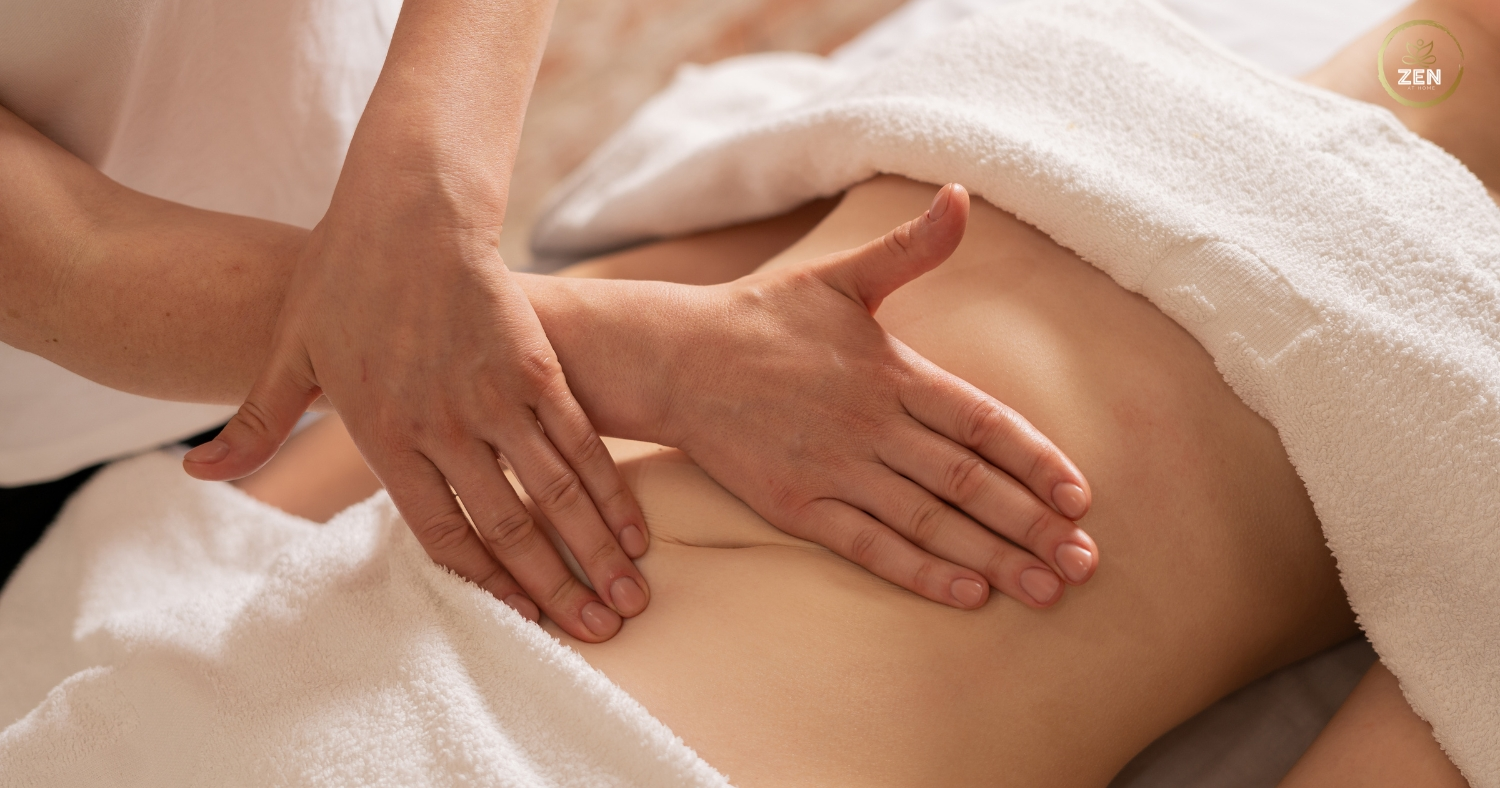
If you prefer a session at home, Zen at Home offers deep tissue massage in Dubai and Abu Dhabi with female therapists. Before your appointment, discuss the areas you want to focus on, your pressure preferences and any relevant health concerns. The therapist can then determine whether deep tissue techniques are appropriate for your needs. You can know more about the deep tissue massage service!
Frequently Asked Questions
Is deep tissue massage painful?
It may feel intense, but it should not cause sharp or severe pain. Tell your therapist if the pressure feels uncomfortable so they can adjust it.
How often should you get a deep tissue massage?
There is no single schedule that suits everyone. Frequency depends on your goals, health and response to treatment. Ask a qualified professional for advice if you have ongoing pain.
Can deep tissue massage help with back pain?
Massage may provide short-term relief for some types of back pain, but it does not address every underlying cause. Persistent or unexplained pain should be assessed by a healthcare professional.
Is deep tissue massage suitable for everyone?
No. Certain health conditions, medications and recent injuries may require precautions or make massage unsuitable. Discuss relevant concerns with a healthcare professional before booking.