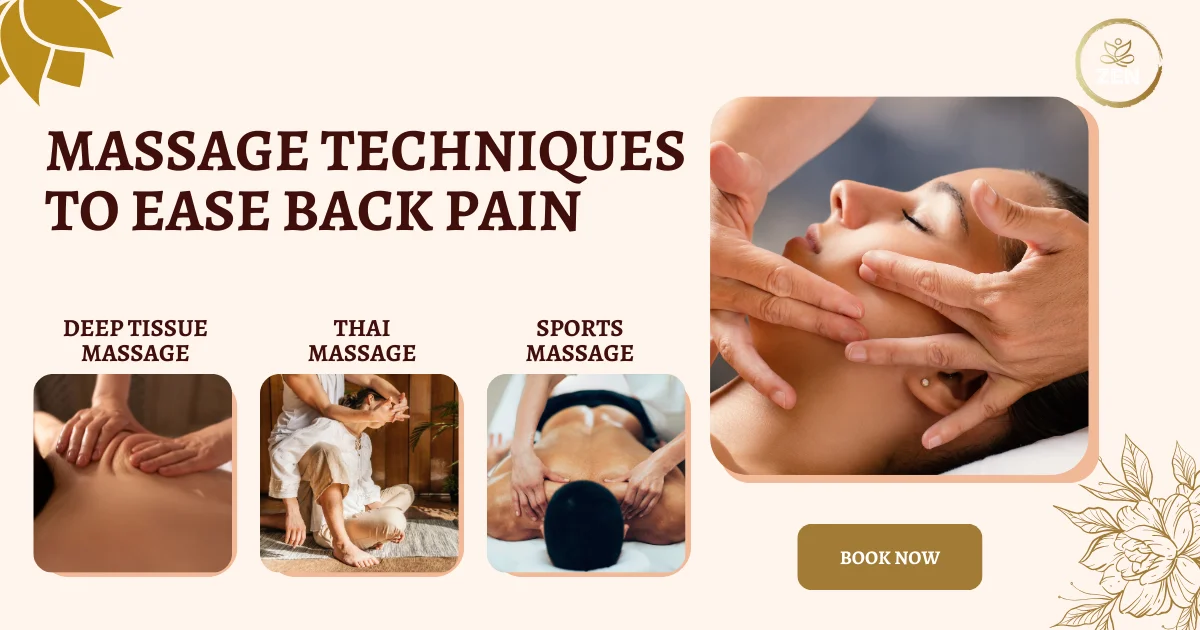
Many of us spend long hours sitting at our workstations every day. This inactive lifestyle can contribute to a variety of health problems, including back pain. It’s estimated that up to 80% of adults experience back pain at some point in their lives, whether from work, exercise, lifting children, or a previous injury. Poor posture, improper lifting techniques, inactivity, and everyday wear and tear are some of the most common causes.
What is Back Pain?
The muscles and ligaments that support the spine can become strained because your back carries much of your body weight and daily physical stress. While rest, heat or cold packs, and medication are common treatments, massage therapy may also help ease muscle tension and provide temporary relief from back pain.
While resting and applying heat or cold packs may alleviate discomfort, massage therapy is another alternative for relaxing stiff muscles. Massage can assist many people in recovering from lower back discomfort while also reducing muscle tension.
According to the American Academy of Orthopaedic Surgeons (AAOS), most back pain improves with conservative treatment, and muscle care plays an important role in recovery.
Is Massage Therapy Helpful in Relieving Back Pain?
An efficient addition to conventional back pain treatment is massage therapy. Tight muscles and tension spots can be worked on by a qualified massage therapist, which can ease discomfort, enhance circulation, and encourage relaxation.
With the correct massage technique, back pain and other musculoskeletal discomforts that contribute to overall body pain can be eased. Massage therapy can enhance comfort and movement by focusing on areas of stress.
Here are some of the most common massage techniques used for back pain.
Swedish Massage
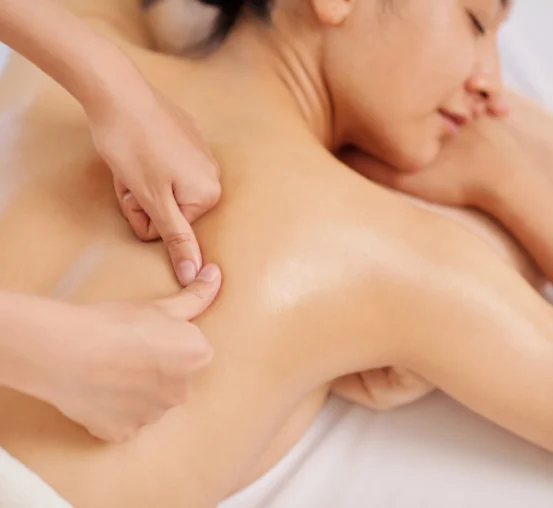
Swedish massage helps relax muscles and reduce everyday muscle tension. This technique uses several different movements, including:
Effleurage
Long, sweeping strokes that glide from the top of the muscle toward its base.
Petrissage
This technique involves kneading and rolling the muscles. The amount of pressure depends on each client’s comfort level. It focuses on areas of muscle tightness, especially in the back. The massage therapist usually begins with gentle pressure before gradually increasing it as the muscles relax.
Tapotement
This technique involves mild, repetitive tapping or drumming movements. Depending on the pressure and tempo, it can be calming or arousing.
Friction
The therapist applies strong pressure while executing controlled movements to assist release tense and stiff muscles.
Swedish massage is a well-liked option for those who wish to soothe sore muscles and release tension.
Deep Tissue Massage

Deep tissue massage is ideal for people experiencing long-term muscle tightness rather than those simply looking to relax. Firm pressure is applied to target the deeper layers of muscles and connective tissue. It may help release tight muscles and reduce discomfort in areas such as the neck, shoulders, and lower back.
Before receiving a deep tissue massage, discuss your comfort level with your therapist. Although the pressure is firmer than other massage styles, it should never cause severe pain. Experienced therapists can always adjust the pressure according to your needs.
The massage usually begins with lighter strokes before gradually working into deeper muscle layers. Some people may experience mild muscle soreness after the session, which usually settles within a day or two. A warm bath with Epsom salts may help ease any temporary soreness.
Trigger Point Therapy
Trigger point therapy shares many techniques with deep tissue massage. Its goal is to locate and release trigger points, which are tight knots within the muscles.
Trigger points can sometimes cause pain that radiates to other parts of the body. For example, tight trigger points in the neck or upper back may contribute to headaches or discomfort that travels into the shoulders or arms.
Rather than working along the entire muscle, the therapist focuses on specific trigger points using controlled pressure until the muscle begins to relax.
Thai Massage
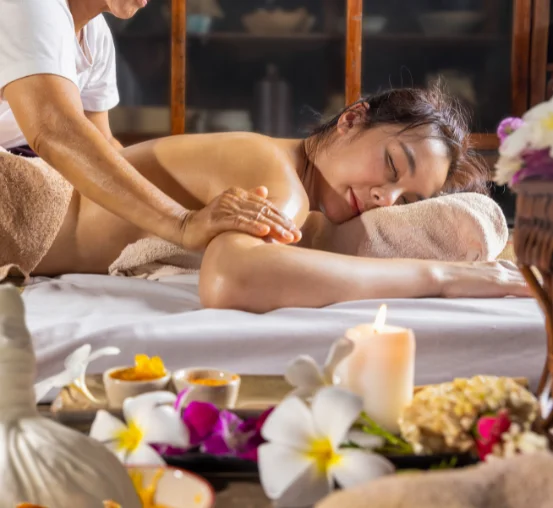
Thai massage has been around for centuries and involves stretching and rhythmic pressure techniques. It operates along the body’s energy pathways, increasing flexibility and reducing muscle tightness.
Thai massage techniques may include light compression, thumbing, palming, and stretching. These therapies help to reduce tension throughout your body, promote muscular relaxation, and improve circulation.
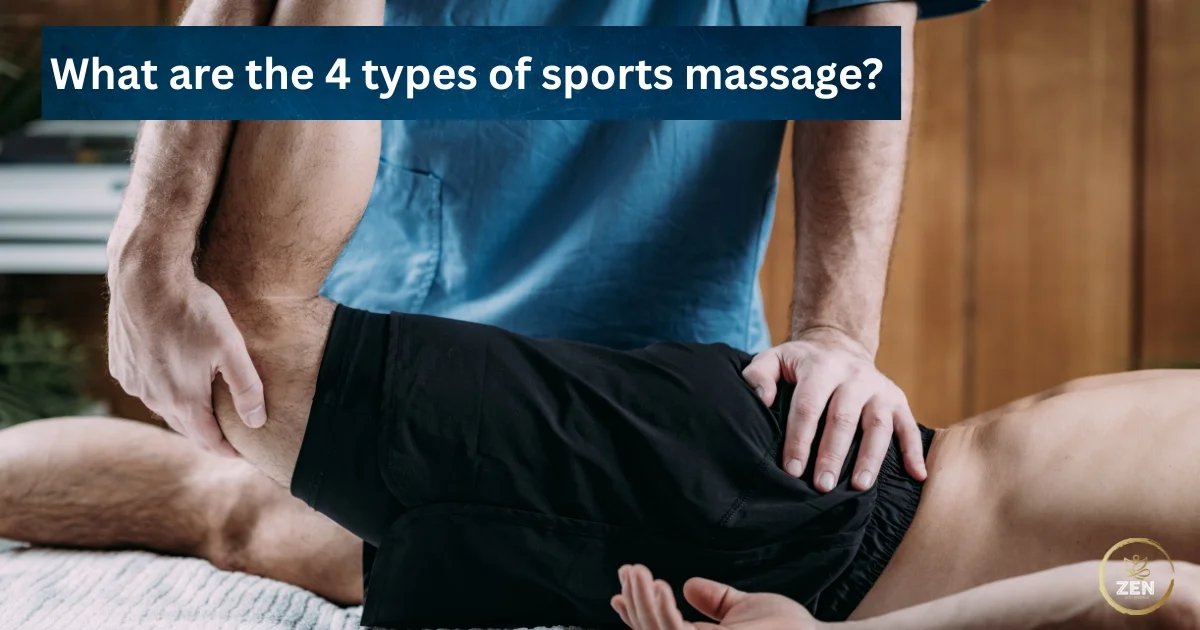
Sports Massage
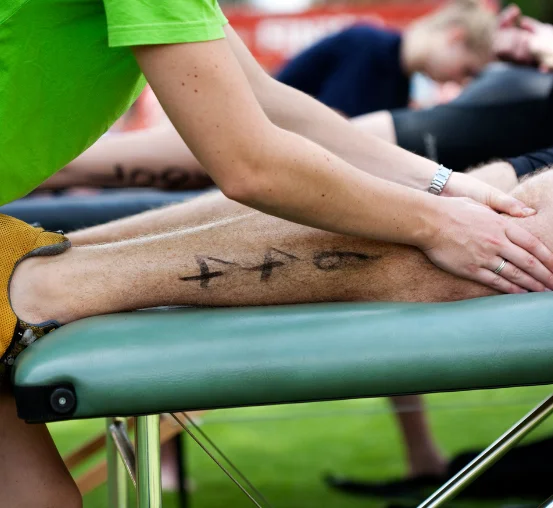
Sports massage is commonly used by active individuals and athletes recovering from training or sports-related muscle strain. Depending on your needs, it may focus on a specific area of the body or involve a full-body treatment.
The therapist may combine deeper pressure with lighter recovery techniques to help reduce muscle soreness, improve flexibility, and support recovery after physical activity.
Back pain can have many different causes, so choosing the right treatment is important. Massage therapy should always be performed by a qualified therapist and tailored to your individual needs.
If your back pain is severe, persistent, or accompanied by other symptoms, consult your doctor before starting massage therapy. When booking your session, let your therapist know exactly where you feel pain or discomfort so your treatment can be adapted to suit your condition.
FAQs
What are the benefits of deep tissue massage in relieving back pain?
Deep tissue massage relief chronic muscle pain and offers a variety of benefits i.e. improves circulation, reduce stress, and decrease inflammation.
How is Swedish massage different from other massage techniques?
It is a gentle full-body massage that uses long strokes to relax the muscles.
How many massage sessions are required to remove the pain completely?
The number of sessions depends on the type of massage you are getting.
Is self-massage helpful in reducing back pain, or do you require a professional therapist?
No, there is a need for a professional therapist.