

Deep tissue massage uses slower, firmer pressure than many relaxation-focused massages, but it is not suitable for everyone. Certain health conditions, recent injuries or surgery, medications, and other circumstances may mean that deep tissue massage should be avoided or modified.
If you are unsure whether this type of massage is right for you, it is better to check with your doctor or healthcare provider before booking. This is especially important if you have a condition that affects your bones, blood clotting, skin, or recovery from an injury or procedure.
Zen at Home provides deep tissue massage at home in Dubai and Abu Dhabi. Before your session, tell your therapist about any relevant health concerns so the treatment can be adjusted appropriately.
What Is Deep Tissue Massage?
Deep tissue massage uses slower strokes and firmer pressure to work on deeper layers of muscle and connective tissue. It is different from a lighter relaxation massage because the therapist may use more focused pressure on areas of tightness or muscle tension.
The pressure should still be adjusted to the person receiving the massage. Deep tissue massage is not meant to be a test of how much discomfort you can tolerate. If you have an injury, medical condition, take certain medications, or are unsure whether firm pressure is appropriate for you, speak with your healthcare provider before booking a session.
Who Should Avoid Deep Tissue Massage?
Deep tissue massage may not be appropriate when firm pressure could worsen an existing problem or interfere with healing. Some situations call for avoiding massage altogether, while others require medical clearance or changes to the pressure and technique.
Blood Clots or Clotting Problems
If you have a current or suspected blood clot, deep tissue massage should be avoided until you have received medical advice. People taking blood thinners or living with a blood-clotting disorder should also tell their healthcare provider and massage therapist before treatment.
Recent Surgery, Injury or Open Wounds
Deep pressure is not appropriate over areas that are still healing. If you have recently had surgery, have an unhealed injury, fracture, open wound, or damaged skin, ask your healthcare provider when massage is safe. The therapist should also know about the affected area before the session.

Severe Osteoporosis or Fragile Bones
People with severe osteoporosis or significantly fragile bones may need to avoid deep pressure because of the risk of injury. Speak with your healthcare provider before booking if you have a bone condition that makes you more vulnerable to fractures.
Who Should Speak With a Doctor Before Deep Tissue Massage?
Some health conditions do not always rule out massage, but they can affect whether deep pressure is appropriate. If any of the following apply to you, speak with your doctor or healthcare provider before booking a deep tissue massage. Cleveland Clinic also recommends discussing massage with a healthcare provider for certain medical conditions and circumstance
Pregnancy
Pregnancy can change how massage should be performed, including the pressure, positioning, and areas treated. Deep pressure may not be appropriate in some situations, particularly when there are pregnancy complications or a risk of blood clots. If you are pregnant, ask your healthcare provider whether Pregnancy massage is suitable for you and tell the therapist that you are pregnant before the session.
Heart Conditions or Uncontrolled High Blood Pressure
If you have a heart condition or uncontrolled high blood pressure, get medical advice before choosing a deep tissue massage. Your health history and medications may affect how massage should be performed.
Diabetes or Reduced Sensation
If you have diabetes, you may have changes in sensation or circulation that can affect how you respond to pressure. If you have reduced sensation or diabetes-related complications, talk to your doctor before booking a deep tissue massage.
Medicines That Increase Bruising or Bleeding
If you take blood thinners or other medicines that make you bruise or bleed more easily, speak with your doctor before having a deep tissue massage. Let your therapist know about your medication too, so they can decide whether the pressure needs to be changed.
When Should You Skip Massage and Seek Medical Advice?
It’s better to skip a deep tissue massage if you’re dealing with something new or unusual and don’t know what is causing it. This includes sudden swelling, severe pain, a recent injury, fever, an infection, or new numbness or weakness.
Sudden swelling in one arm or leg can have different causes, including a blood clot, so it’s important to get it checked rather than trying to treat it with massage. If you’re not sure whether your symptoms are safe to massage, talk to your doctor first.
Is Deep Tissue Massage Supposed to Be Painful?
Deep tissue massage uses firm pressure, so it can feel more intense than a regular relaxation massage. You may feel some tenderness afterward, but the massage should not be extremely painful.
If the pressure feels too strong or causes sharp pain, tell your therapist during the session. They can use less pressure or work on a different area. If you have strong pain after the massage or the pain keeps getting worse, contact your doctor.
What Should You Tell Your Massage Therapist Before a Session?
Before a deep tissue massage, let your therapist know about anything that could affect the treatment. This includes recent injuries or surgery, medical conditions, medications, allergies, areas of pain or sensitivity, and whether you have been advised to avoid certain types of pressure.
It is also important to explain what you want from the session and which areas you would like the therapist to focus on. During the massage, speak up if the pressure feels too strong or causes sharp or unusual pain. Your therapist can reduce the pressure, change the technique, or stop working on a particular area.
Sharing this information does not mean you cannot have a massage. It helps your therapist understand when deep pressure may need to be changed or avoided.
Deep Tissue Massage at Home in Dubai and Abu Dhabi
If you’re scheduling a deep tissue massage at home in Dubai or Abu Dhabi, inform the therapist about any medical concerns, recent injuries, surgery, prescriptions, or sensitive regions before the appointment. This allows the therapist to determine where to avoid firm pressure and whether the massage should be changed.
Zen at Home provides deep tissue massage at home in Dubai and Abu Dhabi, with female therapists and the required massage setup brought to your home. If you are unsure whether deep tissue massage is suitable for you, check with your healthcare provider before booking rather than relying on the massage session to assess an unexplained health problem.
Choose the Right Massage for Your Situation
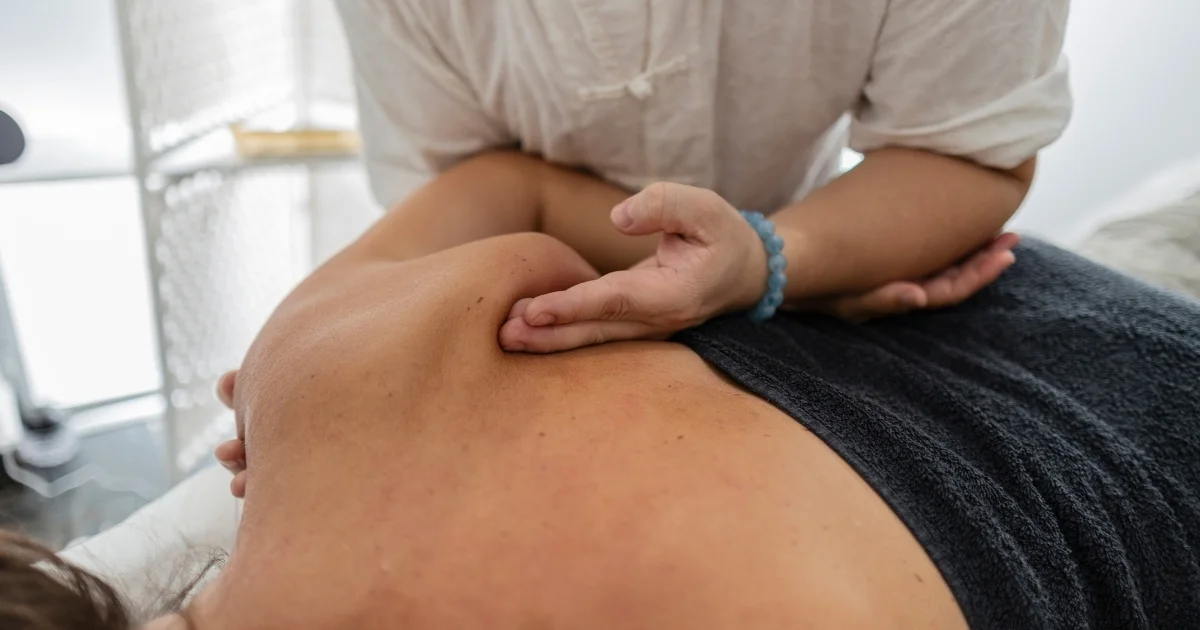
Although it is not for everyone, deep tissue massage can be beneficial for certain individuals. Before getting a deep tissue massage, see your doctor if you have recently had surgery or an injury, have blood clotting issues, have fragile bones, have certain medical conditions, or take medications that can cause bleeding. Deep pressure may need to be avoided in some situations.
If you are considering a deep tissue massage at home in Dubai or Abu Dhabi, share any relevant health information with your therapist before the session. And if you have unexplained or severe symptoms, speak with a healthcare professional before booking a massage.
The goal is not to tolerate as much pressure as possible. It is to choose a massage approach that is appropriate for your health and comfort.
FAQs
Who should not get a deep tissue massage?
People with certain conditions, recent injuries or surgery, blood clots, severe osteoporosis, or other health concerns may need to avoid deep pressure or get medical advice first.
Can I get deep tissue massage while taking blood thinners?
If you take blood thinners, check with your doctor before having a deep tissue massage. Let your massage therapist know about your medication as well, since firm pressure can make bruising or bleeding more likely.
Can I get a deep tissue massage after surgery?
Do not massage healing areas without medical clearance. Your healthcare provider can advise when massage is appropriate.
Can pregnant women get deep tissue massage?
Pregnancy does not automatically mean massage is prohibited, but you should discuss it with your healthcare provider and tell the therapist you are pregnant.
Is soreness after deep tissue massage normal?
Some temporary soreness can occur, but severe pain is not expected. Tell your therapist if the pressure is too strong and seek medical advice if significant pain persists.