
Spa treatments involve more than scented oils, warm towels, or a relaxing setting. Different treatments use techniques such as massage, heat, and aromatherapy, each working in a different way. Understanding these differences helps you know what a treatment may offer and what you should not expect from it.
For anyone considering a spa treatment in Dubai or Abu Dhabi, it is worth looking beyond the experience itself to understand how these methods affect the body and what research says about their benefits. This guide explores the science behind common spa treatments, separates established findings from claims that need more evidence, and explains how to choose an option that suits your preferences.
What Happens in the Body During a Massage?
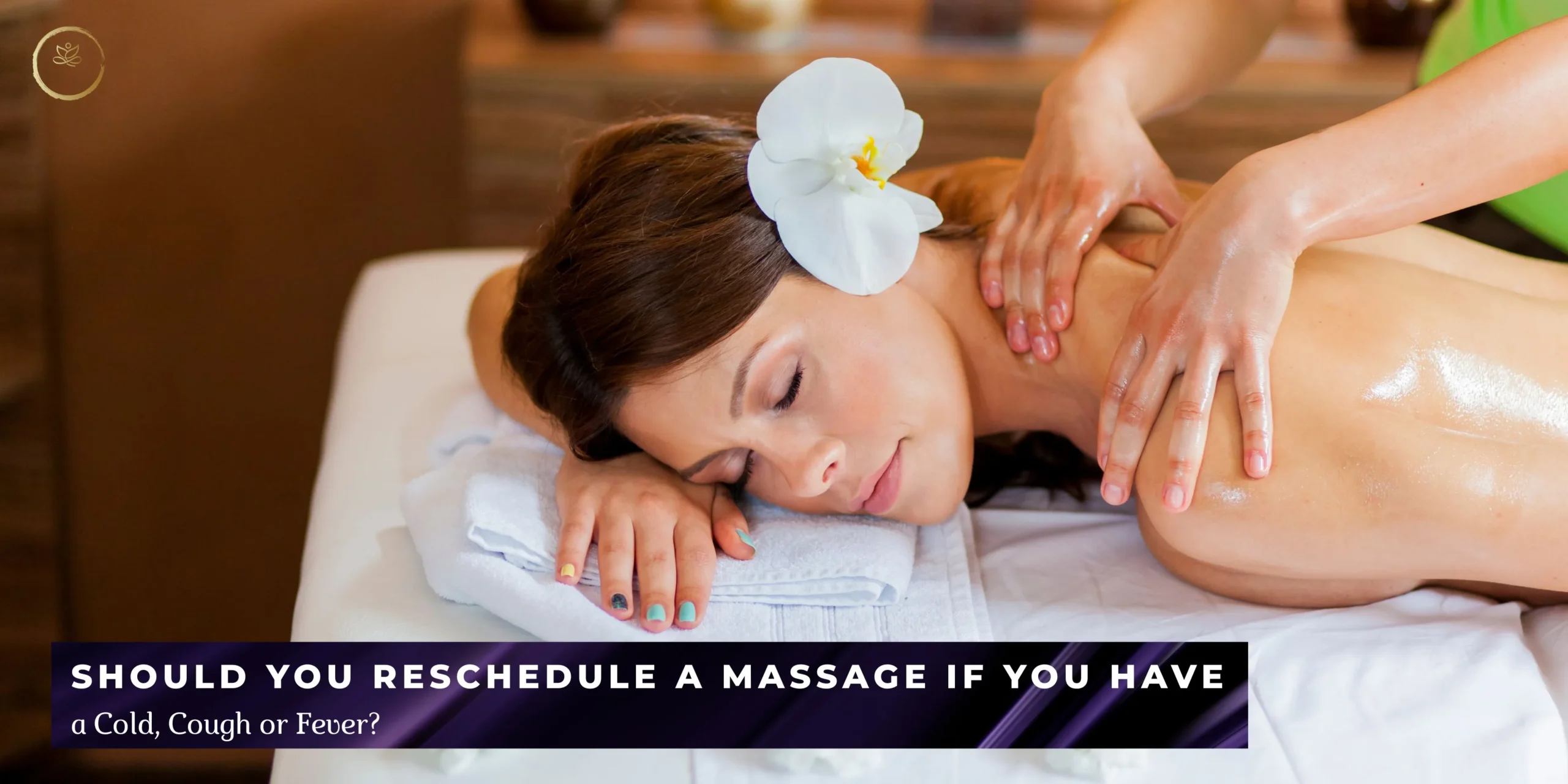
Massage involves applying pressure and movement to soft tissues, including muscles and the tissues surrounding them. The effects depend on the technique, the pressure used, and the individual receiving the treatment. A relaxation-focused massage, for example, is different from a session that uses more targeted pressure on specific areas.
Research suggests that massage may provide short-term relief for some types of pain, although the strength of the evidence varies by condition. It may also help some people feel more relaxed, but it should not be described as a cure for medical conditions or as a way to detoxify the body.
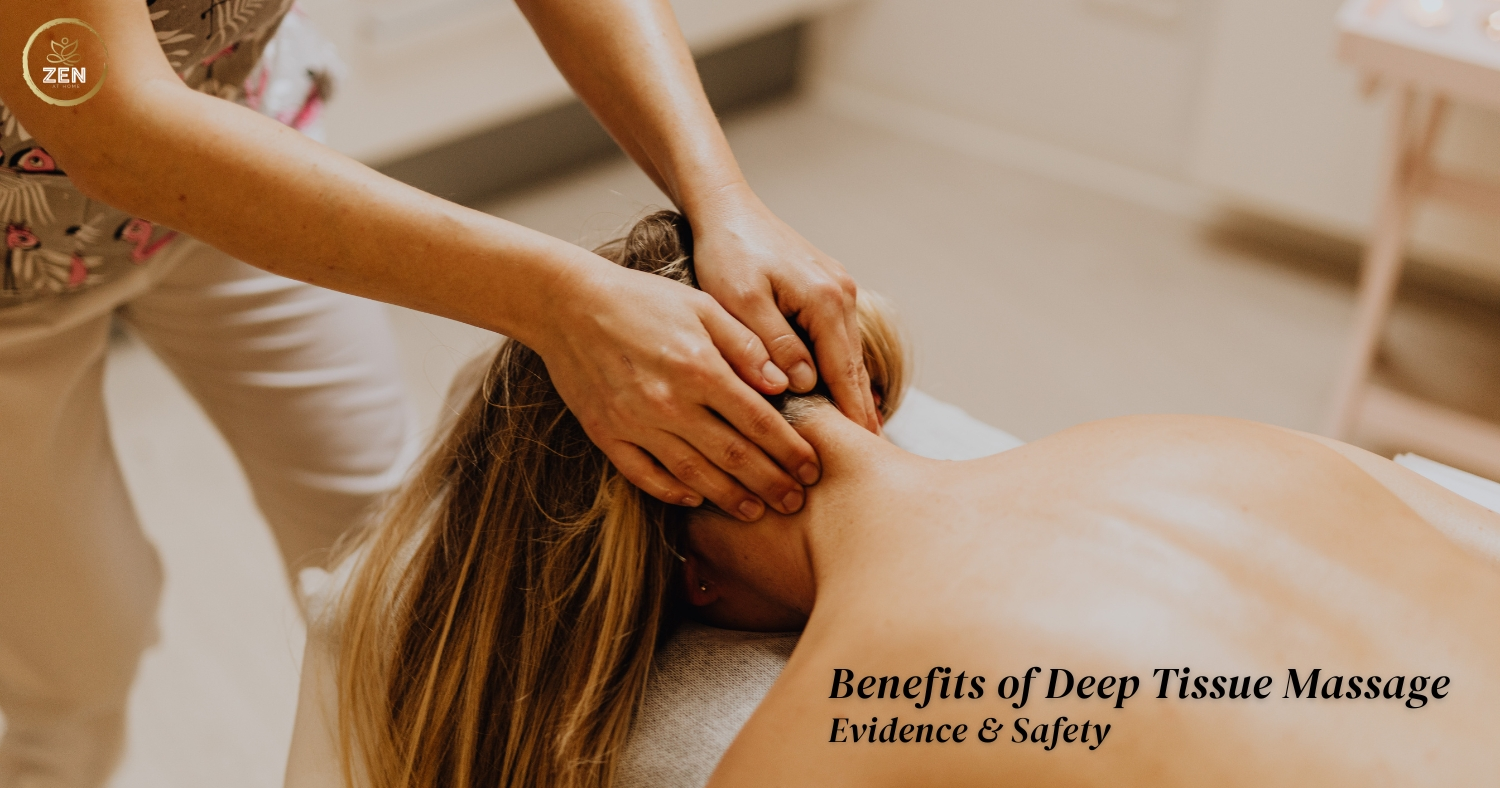
The experience also depends on the type of massage. Gentle, flowing movements are commonly used in Swedish massage, while deep tissue massage applies more focused pressure to particular areas. Neither needs to be painful to be worthwhile, and the appropriate pressure depends on personal preference and individual circumstances.
Understanding these differences is a useful starting point because not all spa treatments work in the same way. Aromatherapy, for instance, involves the use of essential oils and engages the sense of smell, so its potential effects need to be considered separately from those of massage itself.
How Does Aromatherapy Work?
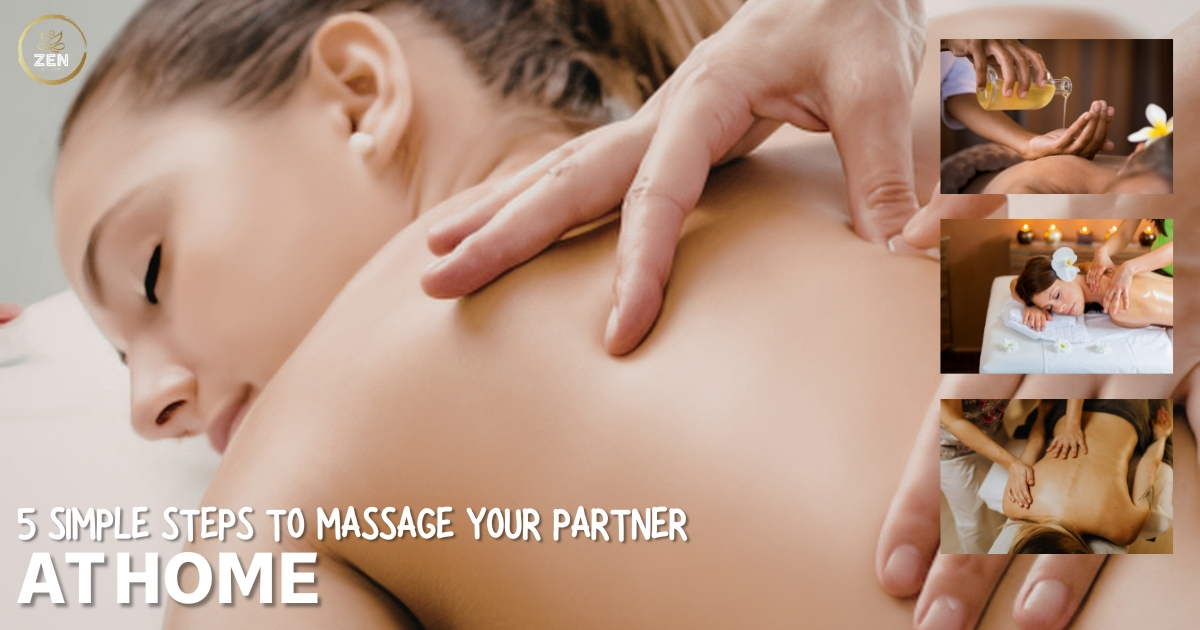
Aromatherapy uses essential oils extracted from plants, commonly through inhalation or application to the skin in a diluted form. During an aromatherapy massage, the oils are mixed with a carrier oil and used alongside massage techniques. The experience therefore combines the effects of touch with exposure to a particular scent.
Smell can influence mood and emotional responses, which may help explain why some people find certain scents relaxing. However, research into aromatherapy has produced mixed results, and evidence does not establish that every essential oil offers the same benefits or treats a health condition.
The oils also need to be used appropriately. Some can irritate the skin or trigger allergic reactions, so clients should tell their therapist about known sensitivities before a session. Essential oils should not be applied undiluted unless specifically directed by a qualified professional.
Aromatherapy Massage in Dubai is one example of how a spa treatment can engage the senses, but scent is only one part of the experience. The next factor to consider is how treatments that use heat or water affect the body.
How Do Heat and Water-Based Treatments Affect the Body?
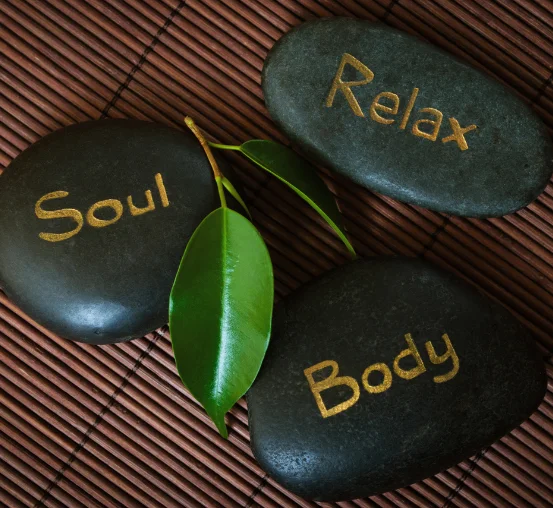
Heat-based treatments, such as hot stone massage, use warmth as part of the treatment experience. Warmth may help some people feel more comfortable and relaxed, while massage involves applying pressure and movement to soft tissues. The effects depend on the technique used, the temperature, and the individual’s sensitivity.
Hot stone massage combines massage movements with heated stones placed on or moved across selected areas of the body. The stones should be maintained at a safe temperature, as excessive heat can cause burns. Clients should tell their therapist if the stones feel too hot or uncomfortable, particularly if they have reduced skin sensation or another condition that affects temperature sensitivity.
Water-based treatments, often grouped under the term hydrotherapy, use water for purposes such as bathing or soaking. Warm water can provide a soothing experience, but claims that these treatments remove toxins or cleanse the body internally should not be treated as established benefits.
Heat and water are therefore best understood as elements of a treatment experience rather than guaranteed ways to improve health. To assess what a spa treatment can realistically offer, it is also important to look at what scientific research has found—and where the evidence remains limited.
What Does Research Actually Say About Spa Treatment Benefits?

Research suggests that some spa treatments may support relaxation or provide short-term relief from certain types of pain, but the evidence depends on the treatment and the outcome being studied. Massage, for example, has been investigated for back, neck, and shoulder pain, with results varying across conditions. It should not be treated as a replacement for appropriate medical care.
Evidence for aromatherapy is also mixed. Some studies suggest possible benefits for mood, anxiety, or sleep in particular circumstances, but researchers have not established that every essential oil produces these effects. Results from one oil, treatment method, or group of participants cannot automatically be applied to all spa treatments.
It is equally important to recognize what research does not establish. Spa treatments should not be promoted as ways to detoxify the body, boost immunity, or cure medical conditions without strong evidence for those specific claims.
For clients considering a spa or massage treatment in Dubai or Abu Dhabi, the practical takeaway is to choose based on the experience they want, understand the treatment being offered, and keep expectations realistic. That makes the next step choosing a suitable treatment more straightforward.
How to Choose a Spa Treatment in Dubai or Abu Dhabi

Start by considering what you want from the session. A Swedish massage may suit those who prefer gentle, flowing movements, while deep tissue massage uses more focused pressure. Aromatherapy massage incorporates diluted essential oils, and hot stone massage uses warmth as part of the treatment.
Before booking with Zen at Home, check the treatment details and share any allergies, sensitivities, injuries, or relevant health conditions with your therapist. If you are unsure whether a treatment is suitable for you, consult a healthcare professional first.
Zen at Home provides home massage services in Dubai and Abu Dhabi, with female therapists and treatment options to suit different preferences. Choosing a treatment based on your comfort level and understanding what it involves can help you make an informed decision.
Frequently Asked Questions
How do spa treatments help you relax?
Treatments such as massage may help some people feel more relaxed through touch, a calm environment, and reduced muscle tension. Individual experiences vary, and relaxation is not a guaranteed medical outcome.
What is the difference between massage and aromatherapy?
Massage uses physical techniques such as pressure and movement on soft tissues. Aromatherapy uses essential oils, often through inhalation or diluted topical application. An aromatherapy massage combines both approaches.
Are hot stone massages suitable for everyone?
No. Heat-based treatments may not be appropriate for people with reduced skin sensation, certain medical conditions, or heat sensitivity. Discuss relevant health concerns with your therapist and seek medical advice if you are unsure.
Do spa treatments remove toxins from the body?
There is insufficient evidence to claim that ordinary spa treatments detoxify the body. The body processes and removes waste through organs such as the liver and kidneys.
How can I choose a spa treatment in Dubai or Abu Dhabi?
Consider the type of experience you prefer, the techniques used, and any health considerations. Before booking with Zen at Home, review the treatment details and share relevant concerns with your therapist. Consult a healthcare professional if you are uncertain whether a treatment is suitable for you.