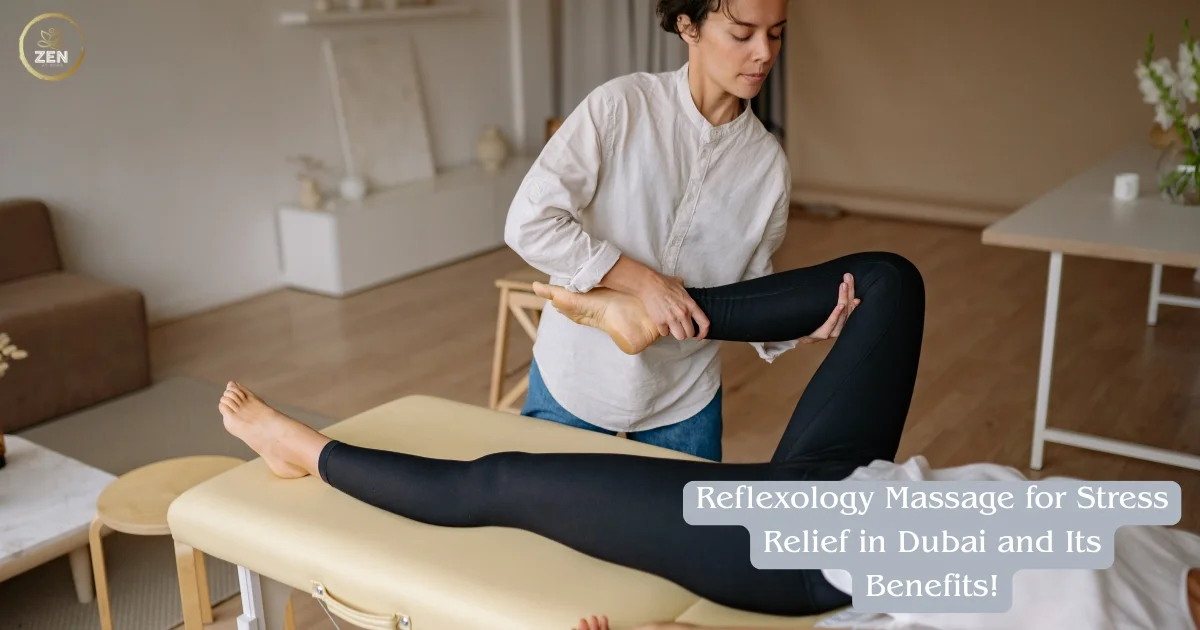
Work demands, daily responsibilities and long hours can leave little time to relax. Reflexology is one option people explore when they want a quiet break and focused pressure on their feet. Some people find a session relaxing, but its effects on stress are not firmly established by research. Understanding what reflexology involves and what the evidence says can help you decide whether it is worth considering.
What Is Reflexology?
Reflexology is a complementary therapy that involves applying pressure to specific points on the feet or hands. Practitioners believe these points correspond to different parts of the body. During a session, they use their fingers and thumbs to apply pressure to selected areas, usually on the feet. This is what distinguishes reflexology from a general foot massage, which focuses more on easing tension in the muscles and soft tissues. However, the proposed links between reflex points and internal organs have not been scientifically established.
Does Reflexology Help With Stress?
Some people report feeling calmer after reflexology, but research has not established it as a reliable treatment for stress. Studies have explored its effects on anxiety and other mental health outcomes, including among people receiving cancer care. However, the findings are mixed, and the quality of evidence is often limited.
It is also important to separate feeling relaxed during a session from treating ongoing stress. Reflexology may offer a quiet break and a chance to focus on physical relaxation, but it should not replace professional support if stress is affecting your daily life.
Why Some People Find Reflexology Relaxing
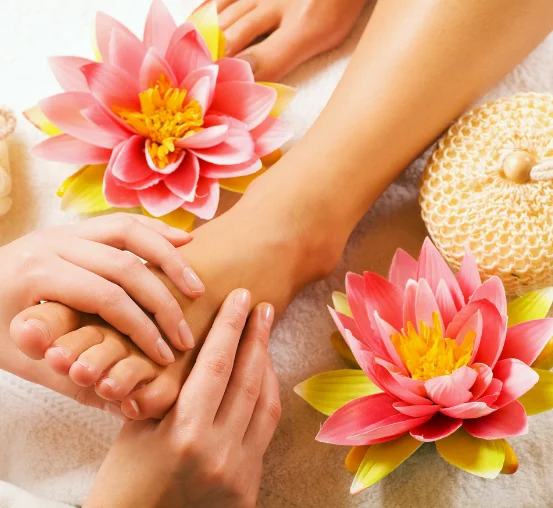
A reflexology session gives you time to sit or lie comfortably while a therapist works on your feet. The steady pressure and quiet setting may make it easier to pause, especially after a long day spent standing, walking or sitting at a desk.
The experience can vary from person to person. Some people enjoy the focused foot pressure, while others may find it uncomfortable or simply prefer a different type of massage. Feeling relaxed after a session does not mean reflexology has treated the underlying cause of stress.
What to Expect During a Reflexology Session
A session usually begins with a few questions about your comfort, preferences and any foot concerns. You can then sit or lie in a comfortable position while the therapist applies pressure to different areas of your feet using their fingers and thumbs.
The pressure should feel manageable, not painful. Let your therapist know if an area feels too sensitive or if you would prefer a lighter touch. You can also ask questions or request a change in pressure at any point during the session.
Is Reflexology Suitable for Everyone?
Reflexology may not be comfortable or appropriate for everyone. If you have foot injuries, open wounds, infections, swelling or unexplained pain, speak with a healthcare professional before booking a session. The same applies if you have a condition that affects circulation or sensation in your feet.
If you are pregnant, have a chronic health condition or are receiving treatment for an illness, check with your doctor first. Reflexology should be treated as a complementary relaxation service, not a replacement for medical care. Always tell your therapist about relevant health concerns before the session.
Reflexology at Home in Dubai and Abu Dhabi
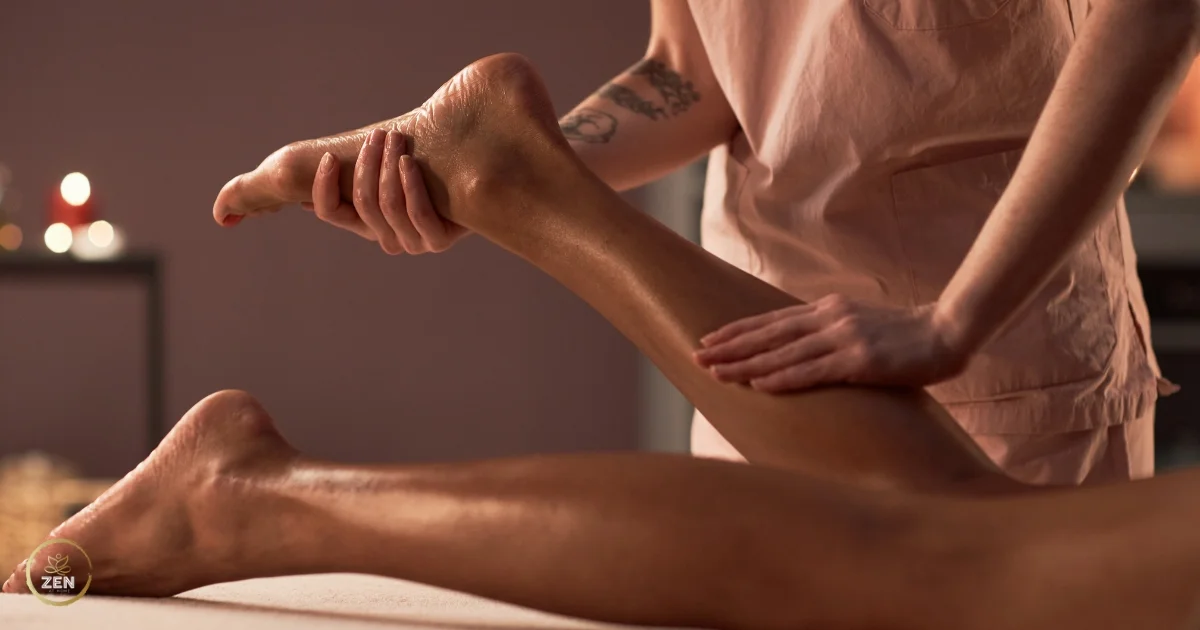
If you prefer not to travel for an appointment, Zen at Home offers reflexology massage at home in Dubai and Abu Dhabi with female therapists. You can arrange a session at a time that suits your schedule and enjoy the treatment in your own space. Share any foot sensitivities or pressure preferences when booking so the therapist can take them into account.
Frequently Asked Questions
Does reflexology help with stress?
Some people find reflexology relaxing, but current research does not provide strong enough evidence to confirm it as a treatment for stress. It may offer a calming experience, but results vary.
How is reflexology different from a foot massage?
Reflexology uses pressure on specific points believed to correspond to different body parts. A regular foot massage focuses more on the muscles and soft tissues to ease tension and provide relaxation.
How long does a reflexology session last?
Session length depends on the provider and treatment booked. Ask about the duration when making your appointment so you know what to expect.
Can I book reflexology at home in Dubai or Abu Dhabi?
Yes. Zen at Home offers at-home reflexology sessions in Dubai and Abu Dhabi with female therapists. Availability and appointment times can be confirmed when booking.