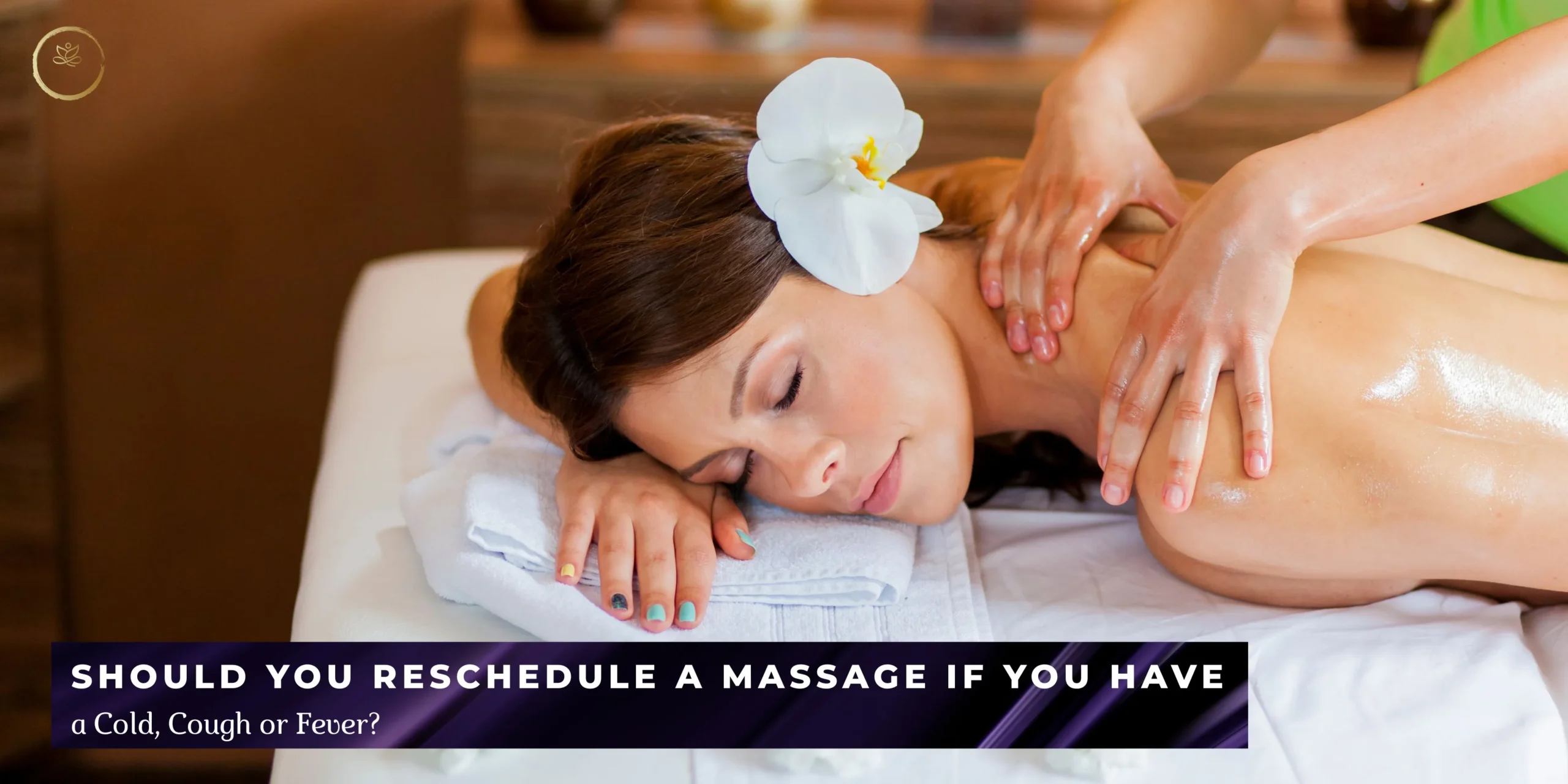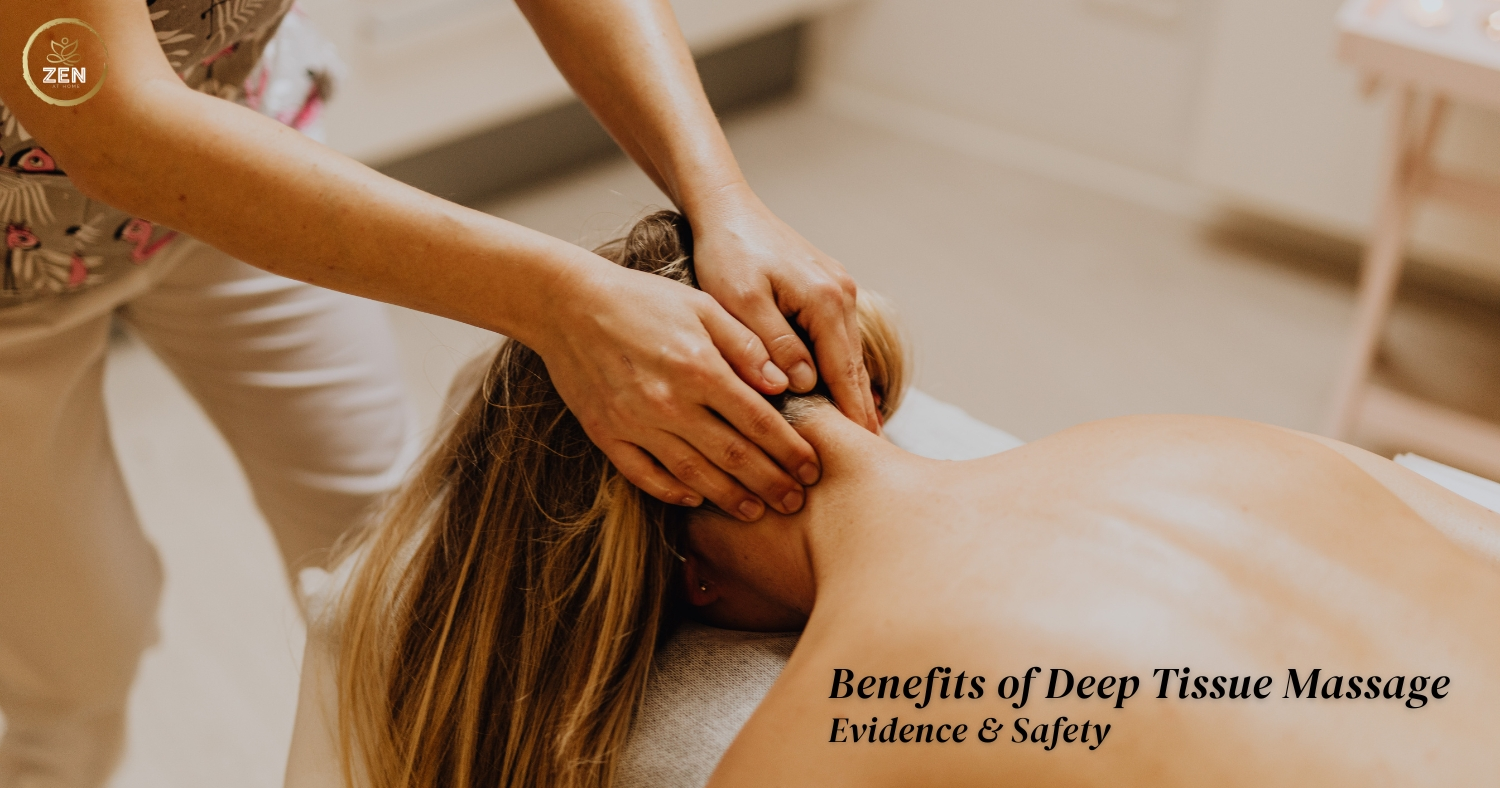

Sports massage is often associated with athletes, but it may also appeal to people who regularly run, visit the gym or take part in other physical activities. Its purpose is to work with the muscles and soft tissues that experience strain during exercise. However, not every claimed benefit is supported by research. Studies suggest that massage may offer small improvements in flexibility and delayed-onset muscle soreness, but it has not been shown to directly improve athletic performance. Understanding the benefits of sports massage can help you decide whether it has a place in your recovery routine.
What Is Sports Massage?
Sports massage is a type of massage that focuses on muscles and soft tissues used during physical activity. It is commonly chosen by athletes and active individuals as part of their exercise and recovery routines. Depending on the person’s activity and preferences, a session may focus on areas such as the legs, back, shoulders or arms. Techniques can include stroking, kneading and applying pressure to the muscles. The approach and pressure should be adjusted to the individual’s comfort rather than assuming that a stronger massage produces better results.
What Are the Potential Benefits of Sports Massage?
Research suggests that sports massage may offer some benefits, particularly for flexibility and post-exercise muscle soreness. However, the effects vary between individuals, and massage should be considered one part of a wider recovery routine.
May Help Reduce Muscle Soreness
Some people experience less discomfort after exercise when they receive massage. This may be helpful after demanding workouts that leave muscles feeling tender or stiff. Research has found a small reduction in delayed-onset muscle soreness (DOMS), although the results vary across studies.
May Support Flexibility

Massage may help improve flexibility to a modest extent. A systematic review found small improvements in flexibility among participants who received massage. However, it should not replace appropriate stretching or mobility exercises.
May Improve Perceived Recovery
Some people report feeling more relaxed and less fatigued after a massage. This can make it a useful addition to their recovery routine, although feeling recovered does not necessarily mean the muscles are ready for intense exercise again.
Can Sports Massage Help With Post-Workout Soreness?
Delayed-onset muscle soreness (DOMS) is the discomfort that can develop after unfamiliar or intense exercise, particularly when an activity involves movements that lengthen muscles under tension. It usually becomes noticeable within 12–24 hours and can feel worse over the following day or two.
Research suggests that massage may help reduce the discomfort associated with DOMS. A systematic review published in BMJ Open Sport & Exercise Medicine, which analyzed 29 studies involving 1,012 participants, found a small but significant improvement in post-exercise muscle soreness. However, this does not mean massage repairs muscle damage or guarantees faster recovery.
Sports massage may therefore be considered for temporary relief from post-workout soreness, alongside adequate rest, hydration and appropriate recovery practices.
Does Sports Massage Improve Athletic Performance?
Sports massage is sometimes promoted as a way to improve strength, endurance and overall athletic performance. However, research does not support these claims directly. A systematic review published in BMJ Open Sport & Exercise Medicine examined 29 studies involving 1,012 participants and found no significant improvement in strength, jumping, sprinting or endurance after massage.
Massage may still have a place in an athlete’s routine if it helps with flexibility, muscle soreness or relaxation. However, it should not replace structured training, proper rest or other established recovery practices. Its role is better understood as a possible support for comfort and recovery rather than a way to improve sports performance.
Who May Consider Sports Massage?
Sports massage may be an option for people who regularly take part in physical activities and want to include massage in their recovery routine. It is not limited to professional athletes.
- Runners and cyclists: People who regularly train may consider massage for temporary relief from muscle soreness and stiffness.
- Gym-goers: Those who perform strength training or demanding workouts may find it helpful for managing post-exercise discomfort.
- Active individuals: People who participate in sports, fitness classes or regular exercise may use massage as part of their general recovery routine.
The right approach depends on individual needs, activity levels and comfort with massage pressure. Sports massage is optional, not a requirement for maintaining fitness or recovering after every workout.
What Are the Limitations of Sports Massage?
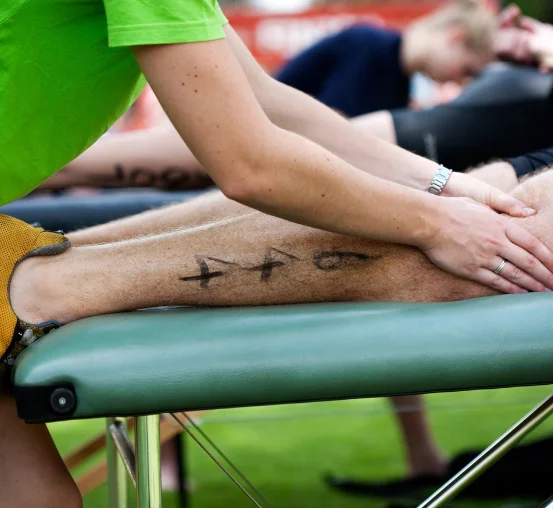
Although sports massage may help with soreness, flexibility and relaxation, it has limitations. It does not repair muscle injuries, guarantee faster healing or prevent future sports injuries. Research has also not established that it improves strength, endurance or athletic performance.
It should not replace proper training, rest, rehabilitation or medical care when needed. Results can vary depending on the individual, the massage techniques used and the reason for booking. Understanding these limitations helps set realistic expectations and makes it easier to decide whether sports massage is suitable for your needs.
When Should You Avoid Sports Massage?
Sports massage is not suitable for every situation. If you have a recent injury, significant swelling, severe bruising, an open wound or an active skin infection, avoid massage on the affected area until you have received appropriate medical advice. Applying pressure too soon after an injury may worsen the problem.
Speak with a healthcare professional before booking if you have a blood-clotting condition, take blood-thinning medication, have recently undergone surgery or have a medical condition that may affect your suitability for massage.
During a session, pressure should remain comfortable. Stop if you experience sharp pain or unusual discomfort. Sports massage should never replace medical assessment when symptoms suggest an injury or another health concern.
Sports Massage at Home in Dubai and Abu Dhabi

For those who prefer a session at home, Zen at Home offers sports massage in Dubai and Abu Dhabi, delivered by female massage therapists. You can choose a 60, 90 or 120-minute session based on your preferences and discuss the areas you would like the therapist to focus on before the session begins.
Sports massage can be part of a personal recovery routine, but it should not be used to treat an injury or replace medical care.
Frequently Asked Questions
How often should you get a sports massage?
It depends on your activity level, personal preferences and recovery needs. There is no fixed schedule that suits everyone. You do not need a sports massage after every workout.
Is sports massage supposed to be painful?
No. You may feel pressure or mild discomfort, but sharp or intense pain is not expected. Let your therapist know if the pressure feels uncomfortable so it can be adjusted.
Is sports massage suitable for beginners?
Yes, beginners may consider sports massage if they are physically active. The therapist should adjust the techniques and pressure to their comfort level and needs.
What is the difference between sports massage and deep tissue massage?
Sports massage focuses on muscles used during physical activity, while deep tissue massage uses slower, sustained pressure on deeper layers of muscle and connective tissue. The techniques may overlap, but their focus can differ.
Should you get a sports massage before or after a workout?
It depends on your goal. A pre-workout massage, if chosen, should generally use lighter techniques, while post-workout massage may help with temporary muscle soreness. Neither should replace a proper warm-up or recovery routine.