There are huge changes in your body after giving birth. Postpartum massage, which is also sometimes called postnatal massage, can help you heal naturally and quickly. Many new mothers wonder when they can safely start getting a massage after giving birth and what benefits they can anticipate. We talk about everything you need to know about massage after giving birth in this piece.
Benefits of Postpartum Massage
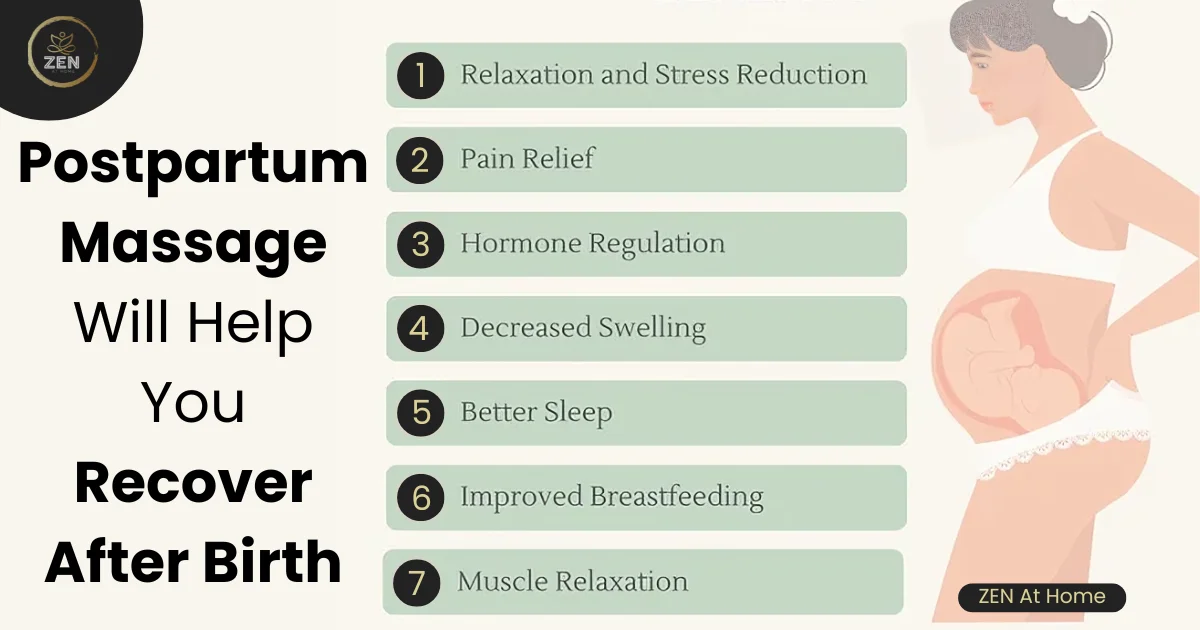
Postpartum massage is good for both the body and the mind, and it helps new mothers feel calm and restored. Here are some of the most important benefits:
Pain relief: It helps ease the stress that comes from being pregnant and giving birth in the back, shoulders, and hips.
Less swelling: This helps the blood flow and keeps the body’s fluid balance.

Controlling hormones and lowering stress: It calms the nervous system and lowers the amount of stress and anxiety.
Better sleep: It helps you relax and rest better.
Faster recovery after giving birth: helps tissues heal and improves general health.
Getting a postnatal massage can help with your recovery by easing pain, improving your happiness, and improving your overall health after giving birth.
Thoughts on Timing and Safety
When can I start postpartum massage? is one of the questions that people ask most often. Massage can usually start for mothers who gave birth vaginally within a few days to a week, based on how comfortable they are and how much energy they have. To mothers who had a C-section, it is very important to talk to their doctor first. Postpartum massage after a C-section should only be done after your wound has healed enough and your doctor has given the go-ahead.
Make sure the therapist knows how to do a safe postnatal massage and has training in those methods. Do not put a lot of pressure on tender areas, especially the stomach, for the first few weeks. You can also get info about Prenatal Massage Benefits.
What to Expect From a Massage After Giving Birth
After giving birth, a standard massage focuses on the back, neck, shoulders, and legs, since those are the parts of the body that were most stressed during pregnancy and labor. Techniques that are gentle are used to
- Help people rest and deal with stress
- Increase blood flow and help tissues heal.
- Lessen muscle stiffness and swelling
- Improve your mood and mental health
Therapists may use pillows or different positions to make sure that mothers are comfortable, especially those who have just had a C-section.
Emotional and Mental Benefits
Postpartum massage has many advantages, including mental support in addition to physical recovery. The soft touch and relaxing atmosphere help keep hormones in balance, lower stress, and improve mental health in general. The majority of new mothers say they feel refreshed, calmer, and better able to connect with their baby.
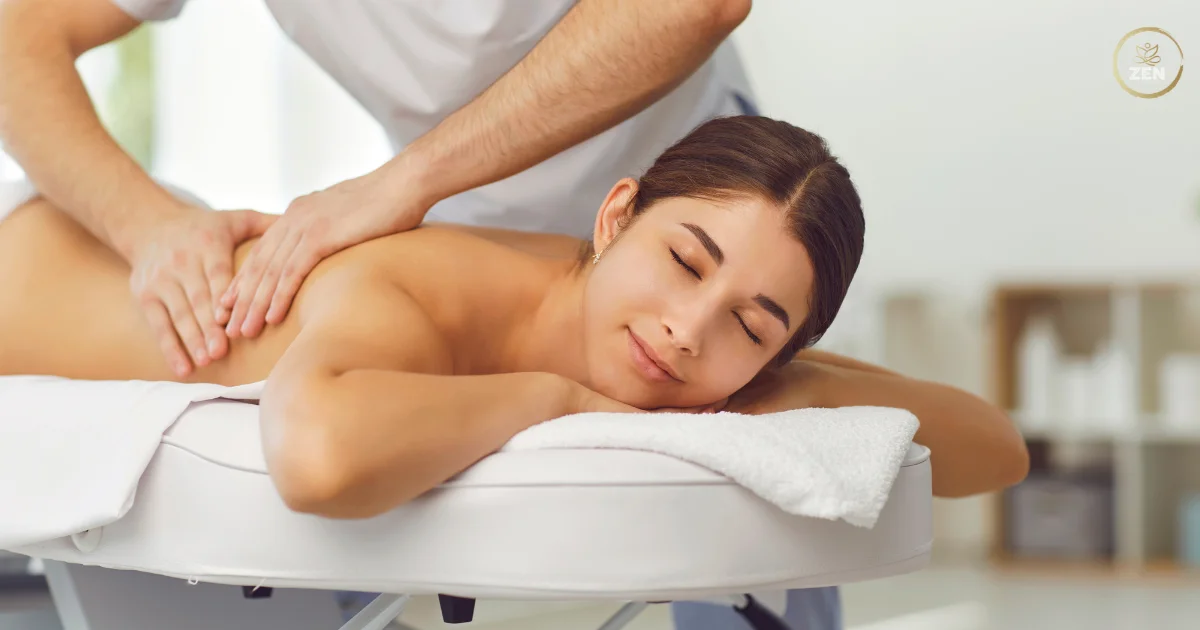
Postpartum massage is a safe and efficient way to help with recovery, ease pain, and improve mental health after giving birth. You can enjoy better sleep, less pain, and a better mood during this life-changing time by adding postnatal massage benefits to your schedule. To get the best results, you should always talk to your doctor first and pick a skilled therapist.
FAQs
Is postpartum massage safe after a C-section?
Yes, as long as your doctor says it’s okay. Therapists who are trained in postnatal massage can use gentle methods to work around your healing wound.
How long should I wait to get a massage after giving birth?
It’s normally safe to wait a few days to a week after giving birth vaginally. Wait until your doctor gives the okay for C-section mothers.
What is the duration of a postpartum massage?
Usually between 60 and 90 minutes, which is enough time for relaxation and recovery-focused methods.
Is it possible to increase milk flow through postpartum massage?
Yes, a gentle massage can help with breastfeeding by lowering stress and improving blood flow.
Can postpartum massage hurt me in any way?
When done by trained professionals, massage is usually safe. Don’t put too much pressure on your stomach, and make sure your doctor clears up any health problems you already have.