
After a day of fasting, you may want a massage to help you relax, especially if you have spent long hours sitting or working. However, the right massage after iftar depends on your comfort, preferences and health, rather than simply choosing the treatment with the firmest pressure. Deep tissue massage in Dubai is designed to target specific areas of muscle tension, while gentler techniques may be more suitable if relaxation is your main goal.
Is It Okay to Get a Massage After Iftar?
For many healthy adults, getting a massage after iftar can be an option, provided they feel well and the treatment is appropriate for them. However, lying face down or receiving firm pressure immediately after a large meal may cause discomfort.
Give yourself time to digest before your appointment, particularly after a heavy meal. There is no single waiting time that suits everyone. If you feel dizzy, unusually weak or unwell after fasting, postpone the session rather than pushing through it.
If you have a medical condition or take medication that could affect massage safety, check with your healthcare professional before booking.
How to Choose the Right Massage After Breaking Your Fast
The best option depends on how you feel and what you want from the session.
- Relaxation massage: A good option if you want a gentle session to help you relax.
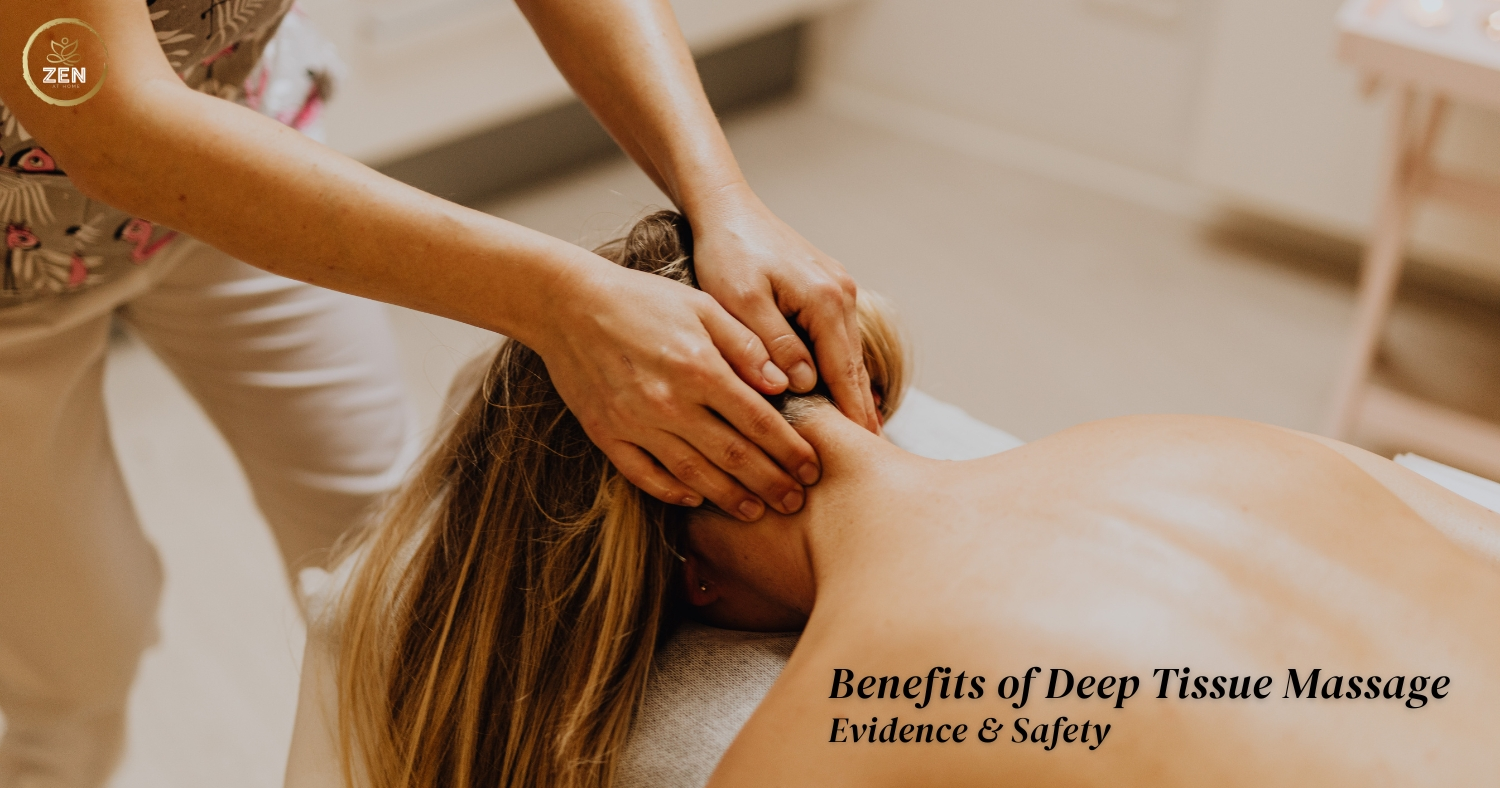
- Deep tissue massage: Focuses on tight areas with firmer pressure. If you prefer a lighter touch, let your therapist know before the session.
- Swedish massage: Uses a range of strokes, often with lighter to moderate pressure, depending on your preferences.
You do not need to choose the firmest massage to get a worthwhile session. Tell your therapist about your comfort level and any areas you want to avoid before treatment begins.
What to Consider Before Booking a Massage During Ramadan
A few simple considerations can help you decide whether to keep your appointment after iftar:
- Give yourself time after eating: If you’ve had a large meal, wait until you feel comfortable lying down before your massage.
- Drink water during non-fasting hours: Follow your usual hydration needs between iftar and suhoor rather than relying on a massage to address fatigue or dehydration.
- Pay attention to how you feel: If you experience dizziness, nausea or unusual weakness, postpone the appointment and address how you are feeling first.
- Communicate with your therapist: Explain your preferred pressure, areas of discomfort and any relevant health concerns before the session.
The UAE’s Ramadan health guidance recommends eating slowly, avoiding overeating and drinking enough water between iftar and suhoor. Keep these points in mind when planning your massage, especially if you tend to feel uncomfortable after a large meal.
When Should You Postpone a Massage?
Skip your appointment if you feel dizzy, nauseated or unusually weak after fasting. Massage should also be postponed over areas with open wounds, skin infections or recent injuries.
If you take blood thinners, have a history of blood clots or have recently had surgery, seek medical advice before booking. These situations may require specific precautions or make some massage techniques unsuitable.
Tell your therapist about relevant health concerns before the session, and ask for lighter pressure or a change of technique if anything feels uncomfortable.
Book a Home Massage During Ramadan
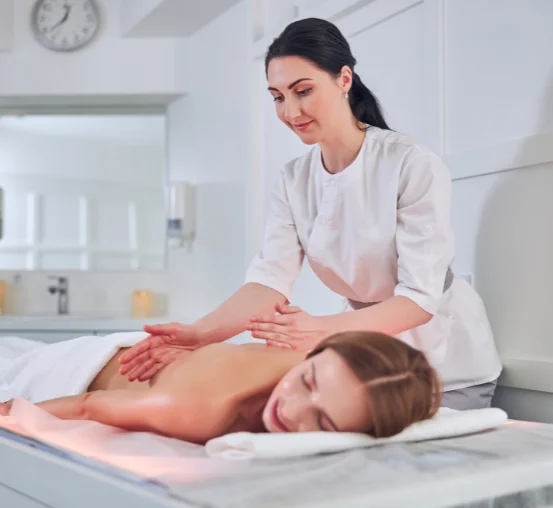
Zen at Home offers home massage services in Dubai and Abu Dhabi, with female therapists. If you plan to book after iftar, choose a time that gives you enough room to eat, drink water and feel ready for your session.
Know your preferred pressure and any health concerns when booking so the treatment can be suited to your needs. Explore our deep tissue massage service to learn more about the treatment.

Frequently Asked Questions
Can I get a deep tissue massage immediately after iftar?
It may be more comfortable to wait until you no longer feel full after eating. Choose a time based on how you feel rather than following a fixed waiting period.
Is a relaxation massage better than deep tissue massage during Ramadan?
Neither is necessarily better during Ramadan. If you want a gentle massage after iftar, a relaxation massage may be a better fit. Deep tissue
Should I get a massage if I feel weak after fasting?
Postpone your appointment if you feel unusually weak, dizzy or unwell. If symptoms persist or concern you, seek medical advice before booking.
Can I book a home massage in Dubai or Abu Dhabi after iftar?
Yes. Zen at Home offers home massage services in both cities with female therapists. Check appointment availability when booking, particularly during Ramadan.