
Regular exercise puts repeated demands on the muscles. Whether you run, cycle, lift weights or take part in sports, you may experience muscle tightness and soreness after training. Sports massage is one option people use to manage these effects and support their recovery routine.
Sports and Physical Activity Survey found that 60.3% of the population met the survey’s physical activity participation measure, up from 53.6% in 2024. For people who exercise regularly, muscle soreness and tightness can sometimes become part of their routine. Sports massage is one option they may consider after physical activity.
So, what can sports massage actually help with? Its effects on muscle soreness, flexibility and recovery are worth looking at, along with what research says about its limitations.
What Is Sports Massage?
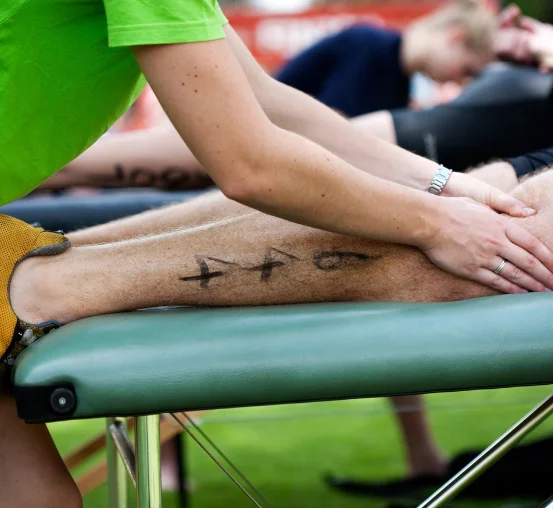
Sports massage focuses on the muscles and soft tissues that are used during exercise and other physical activities. It involves techniques such as kneading, long strokes and applying pressure to specific areas, depending on muscle tension and the person’s comfort level.
Unlike a general relaxation massage, sports massage takes account of exercise habits, training demands and areas that feel tight or sore. It can be used by professional athletes, gym-goers, runners and people who exercise recreationally.
A session should be adjusted to the individual rather than relying on firm pressure throughout. Sports massage is also different from physiotherapy and medical treatment for sports injuries.
What Are the Benefits of Sports Massage?
Research suggests that sports massage may offer some benefits, particularly for post-exercise soreness, flexibility and perceived recovery. However, its effects vary, and it should not be treated as a way to guarantee better athletic performance.
1. May Help Reduce Post-Exercise Muscle Soreness
Muscle soreness can develop several hours after an intense workout or an exercise your body isn’t used to. Known as delayed onset muscle soreness (DOMS), it usually appears within 12–24 hours and can last for several days.
Sports massage may help reduce the discomfort associated with DOMS. A 2020 systematic review published in BMJ Open Sport & Exercise Medicine analyzed 29 studies involving 1,012 participants and found small improvements in delayed onset muscle soreness following massage.
The findings suggest that massage may be useful for managing post-exercise soreness, although it does not repair muscle damage or guarantee a faster return to training.

2. May Support Flexibility
Tight muscles can make certain movements feel restricted, particularly after repeated training or physical activity.
Massage may help improve flexibility to a limited extent. The same 2020 research review found a small but statistically significant improvement in flexibility among participants who received massage.
However, sports massage should not replace stretching, mobility exercises or a suitable warm-up. These activities remain important parts of an exercise routine.
3. Helps Manage Muscle Tension
Repeated movements, heavy lifting and demanding exercise sessions can leave certain muscle groups feeling tight.
Sports massage uses different pressure and massage techniques to work on areas of tension. The therapist can adjust the session according to the muscles involved and the individual’s comfort.
Some people find this useful after activities that repeatedly load the same muscle groups, such as running, cycling or weight training.
4. May Improve Perceived Recovery
Recovery involves more than how muscles feel. Rest, sleep, nutrition and appropriate training intensity all play a part.
A 2023 review published in Sports looked at 114 studies on massage and exercise performance. The researchers found that massage may help with relaxation, mood and how people feel after exercise. However, they found no clear evidence that it improves physical performance.
This suggests that sports massage may form part of a recovery routine, but it cannot replace adequate rest or other recovery practices.
Does Sports Massage Improve Athletic Performance?
Sports massage is often promoted as a way to improve strength, speed and endurance. However, research does not establish that it directly improves these performance measures.
The 2020 systematic review found no significant improvement in strength, jumping, sprinting, endurance or fatigue following massage.
Its more supported benefits relate to flexibility and muscle soreness rather than measurable improvements in athletic performance.
For this reason, athletes should consider sports massage as an optional part of their overall muscle-care routine, not a substitute for structured training, proper recovery or professional injury management.
Should You Get a Sports Massage Before or After Exercise?
The right time for a sports massage depends on your workout and personal needs.
Before Exercise
A gentle, short massage may help prepare the muscles before physical activity. However, it should not replace your usual warm-up. Avoid deep or intense massage just before a workout or competition, especially if you haven’t tried it before.
After exercise:
A massage may help manage muscle tension and perceived soreness following physical activity. The pressure should suit your comfort level, especially after a demanding session.
If you have a specific training or competition schedule, discuss the timing and intensity with an appropriately qualified professional.
Who May Benefit from Sports Massage?
- Sports massage may be suitable for people who exercise regularly or take part in activities that put repeated strain on their muscles, such as:
- Gym-goers: People who lift weights or follow regular workout routines.
- Runners: People who experience tightness in their legs after running or regular training.
- Cyclists: Those who develop muscle tension after long cycling sessions.
- Athletes: People who use massage as part of their recovery routine after training or competitions.
- Recreationally active people: Those who exercise regularly and experience muscle tightness after activity.
The suitability of a session depends on individual health, activity levels and physical condition. Not everyone who exercises needs a sports massage.
When Should You Avoid Sports Massage?
Sports massage is not suitable for every type of pain or injury. Avoid applying massage to an area with a suspected fracture, acute injury or unexplained swelling.
If you experience severe or persistent pain, significant bruising, sudden swelling or restricted movement, seek medical assessment rather than trying to manage the problem through massage.
People with existing medical conditions, circulation problems or other health concerns should discuss the suitability of massage with their healthcare provider before booking.
Sports massage is intended to support muscle care and relaxation. It does not diagnose injuries or replace medical treatment and rehabilitation.
Sports Massage at Home in Dubai and Abu Dhabi

Finding time for a massage around work, training and other commitments can be difficult. For people in Dubai and Abu Dhabi, arranging a session at home is another way to include massage in their routine without travelling to a spa.
Zen at Home provides sports massage services at home in both emirates. Its therapists bring the necessary massage equipment for the session, including a massage table and fresh linens.
If you exercise regularly and experience muscle tightness after training, you can discuss your requirements with the booking team before arranging a session. The appropriate treatment and pressure should depend on your physical condition and comfort.
Know Zen at Home’s sports massage service in Dubai and Abu Dhabi to learn more about the treatment and check appointment availability.
Sports massage can be a useful addition to muscle care for some active people, particularly when managing post-exercise soreness and tension. However, its benefits have limitations. A balanced approach that includes appropriate training, rest, nutrition and professional guidance remains essential for physical recovery.
Frequently Asked Questions
What are the main benefits of sports massage?
Sports massage may help reduce post-exercise muscle soreness, support flexibility and improve perceived recovery. Its effects vary, and research does not establish that it directly improves strength, speed or endurance.
How often should you get a sports massage?
There is no fixed schedule that suits everyone. Frequency depends on your exercise routine, personal preferences, muscle soreness and overall health. You do not need regular sports massage simply because you exercise.
Is sports massage painful?
Sports massage may involve firm pressure, but it should not cause sharp or severe pain. Tell the therapist if the pressure feels uncomfortable so the technique can be adjusted.
Is sports massage the same as deep tissue massage?
No. Sports massage is generally planned around physical activity and the muscles involved in training. Deep tissue massage focuses on deeper layers of muscle and connective tissue. Although some techniques may overlap, they are not interchangeable treatments.
Can sports massage help with a sports injury?
Sports massage is not a treatment for every sports injury. Suspected injuries, severe pain and unexplained swelling require assessment by a healthcare professional. Massage should only be considered when it is appropriate for the person’s condition.